

French Open: What to Know About Roland-Garros
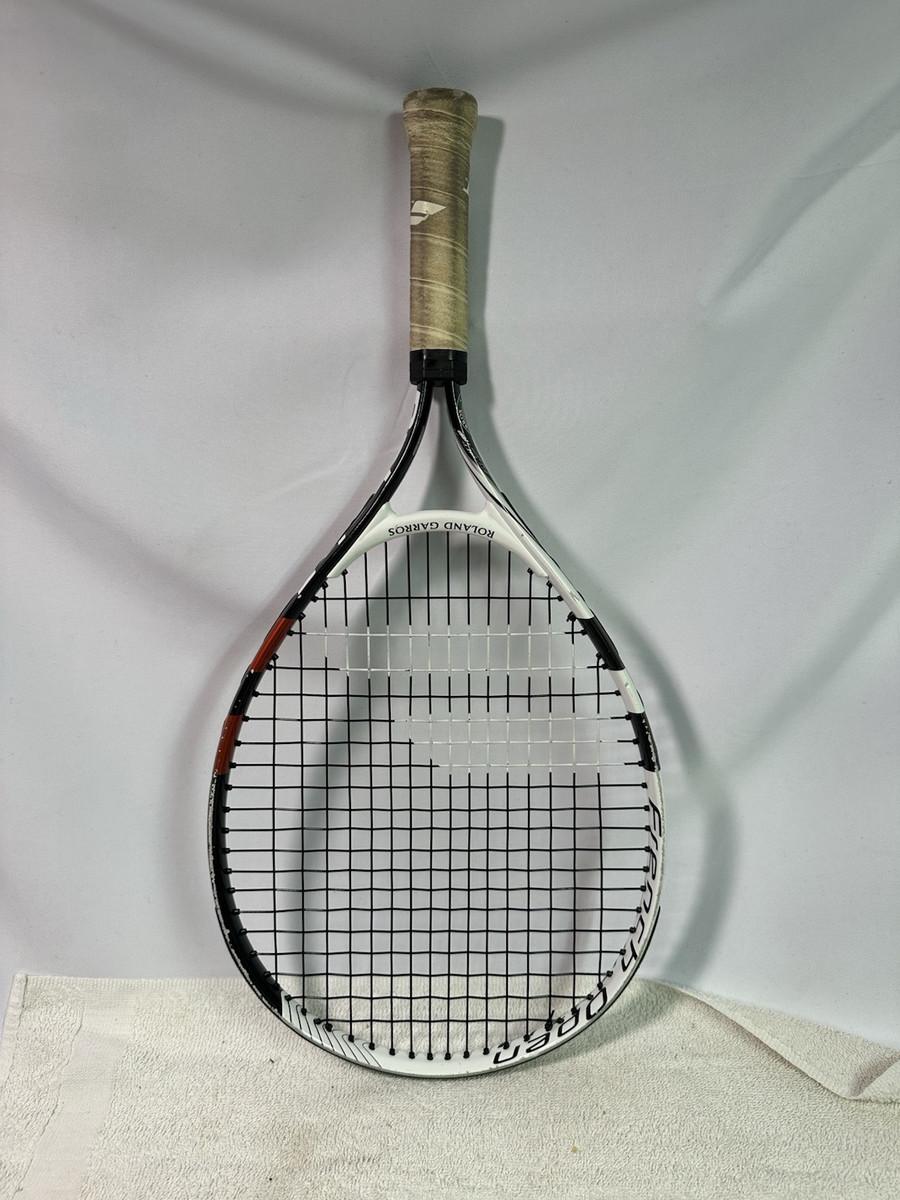
Introduction — why the French Open matters
The French Open is one of the four Grand Slam tennis tournaments and the pre-eminent clay‑court event in the professional game. Held annually in Paris at the Stade Roland‑Garros, it occupies a central place in the tennis calendar because clay surfaces demand a distinct style of play and preparation. For players, coaches and fans, the tournament is a key test of endurance, footwork and tactical adaptability; for the broader sporting public, it provides a showcase of drama and skill on a surface that often produces unexpected outcomes.
Main body — format, characteristics and current relevance
Location and surface
The event takes place at Roland‑Garros in Paris. Clay courts slow the ball and produce high bounces, rewarding spin, patient point construction and strong defensive movement. These conditions shape training and strategy in the weeks leading up to the tournament and tend to favour players with heavy topspin and excellent movement on clay.
Significance within the season
As a Grand Slam, the French Open is a major ranking and prize-money opportunity and is often viewed as the principal target of the European clay‑court season. It follows a period of clay tournaments across Europe and precedes the grass‑court season, creating a distinct phase in the year where players tailor their schedules to peak on clay.
Competition and tactics
Matches at Roland‑Garros commonly feature longer rallies and different point construction compared with hard or grass courts. Successful competitors combine physical endurance with tactical variety — using angles, drop shots and heavy topspin to control rallies. Because clay can neutralise certain playing styles, the tournament regularly highlights specialists who excel on the surface.
Conclusion — outlook and reader significance
The French Open remains a defining event in world tennis, offering both established stars and clay‑court specialists a chance to test themselves on a unique surface. For readers, following the tournament provides insight into how surface and conditions shape outcomes and which players adapt most successfully. Looking ahead, the French Open’s combination of tradition, tactical nuance and unpredictable drama will continue to make it a focal point of the tennis season.