

How to check tax: Practical steps for UK taxpayers
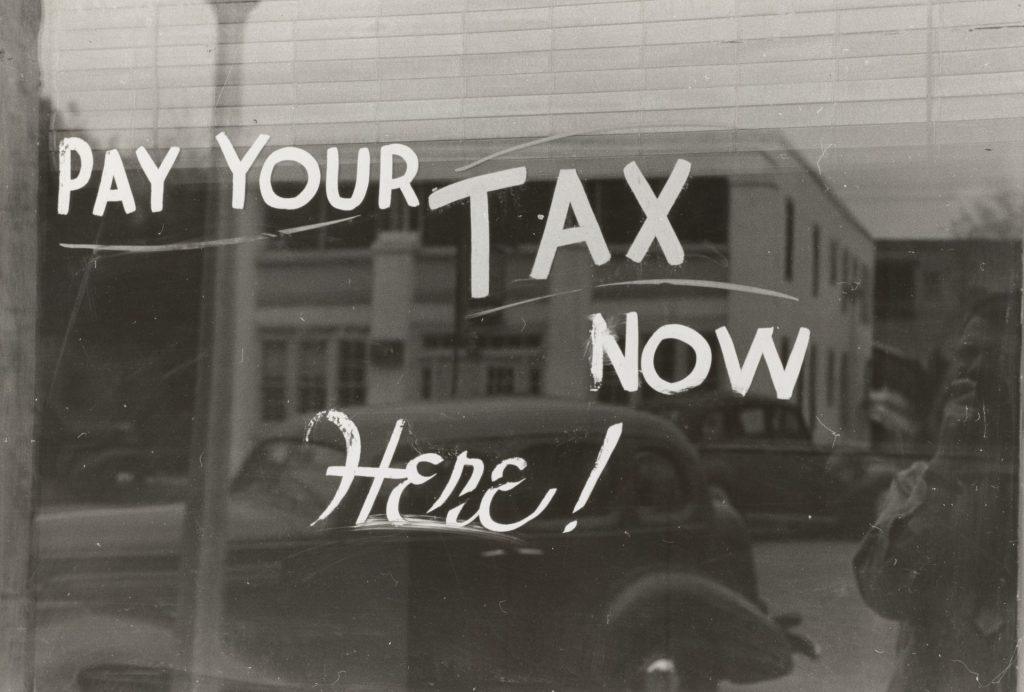
Introduction — why it matters to check tax
Checking your tax position is an essential part of personal finance and business administration. Whether you are an employee, self‑employed, pensioner or company director, knowing you have paid the right tax prevents unexpected bills, missed refunds and penalties. This short report explains why people should regularly check tax and outlines practical ways to do so in the UK.
Main details — how people can check tax
Use official online services
Many taxpayers can check tax quickly through government digital services. Individuals can access a personal tax account to view pay‑as‑you‑earn (PAYE) records, tax codes, national insurance contributions and any outstanding liabilities. Self‑assessment filers can review submitted returns, payment due dates and calculation summaries. These services provide a consolidated view that helps spot discrepancies early.
Review payslips and documents
Regularly checking payslips, P60s and P45s (or equivalent employer documents) is a basic step to ensure the correct tax code and deductions are applied. For self‑employed people, keeping business records and checking reported income against bank statements reduces the risk of errors when submitting a tax return.
Contact official helplines if unsure
If the online records or documents raise questions, contacting the tax authority by phone or secure message can clarify matters. Where there is evidence of an incorrect tax code or an underpayment, taxpayers can ask for a review or correction. Many disputes are resolved by checking records and providing missing information.
Conclusion — implications and recommended actions
Regularly taking the time to check tax helps taxpayers avoid unexpected liabilities, claim entitled refunds and maintain accurate records. It is particularly important after life events—such as a change in employment, retirement or starting a business—when tax circumstances often change. Readers should make checking tax a routine activity: review digital accounts and official documents, keep records up to date, and seek formal clarification from the tax authority when needed. Proactive checks reduce stress and financial risk for individuals and organisations alike.