

Alton Towers alters Ride Access Pass for anxiety and ADHD visitors
Introduction: Why this matters
The decision by Alton Towers to restrict access to its Ride Access Pass for visitors with anxiety and ADHD has immediate implications for accessibility at one of the United Kingdom’s biggest theme parks. The policy affects how neurodivergent visitors and those with anxiety-related conditions can navigate queues and access rides, making the issue relevant to guests, disability advocates and families planning visits.
Main developments
Policy change
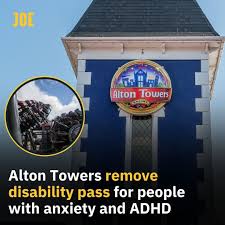
Alton Towers has announced it will no longer offer Ride Access Passes to guests whose primary condition is anxiety or attention-deficit/hyperactivity disorder (ADHD). Under the revised approach, visitors with anxiety or ADHD will not be able to use the disability pass to skip queues and will instead be required to wait in the regular lines.
Park’s explanation
Rob Smith, representing the park, said the change reflects feedback from other guests with additional accessibility needs. “Our guests with additional accessibility needs have increasingly told us that the Ride Access Pass simply isn’t working for them, particularly as demand has grown and queue times for these guests have increased,” he said. The park framed the move as a response to growing demand and concerns that the system was not delivering consistent support.
Alternative support offered
Although people with anxiety and ADHD will no longer receive the Ride Access Pass, Alton Towers will provide a free companion ticket and maintain access to sensory-friendly spaces. These measures aim to offer some support for affected visitors while removing priority queuing through the disability pass.
Conclusion: What this means for visitors
The change alters the practical experience of visiting Alton Towers for people with anxiety and ADHD, who must now plan for standard queueing despite receiving companion tickets and access to sensory areas. For visitors and carers, the decision may influence choices about visiting times, length of stay and whether additional planning is needed to manage queues. It also raises broader questions about how large attractions balance fair access with operational pressures as demand for accessibility support grows.