

Barcelona Train Crash Kills One in Spain’s Second Rail Tragedy Within Days
Introduction: A Nation in Mourning Faces Another Rail Disaster
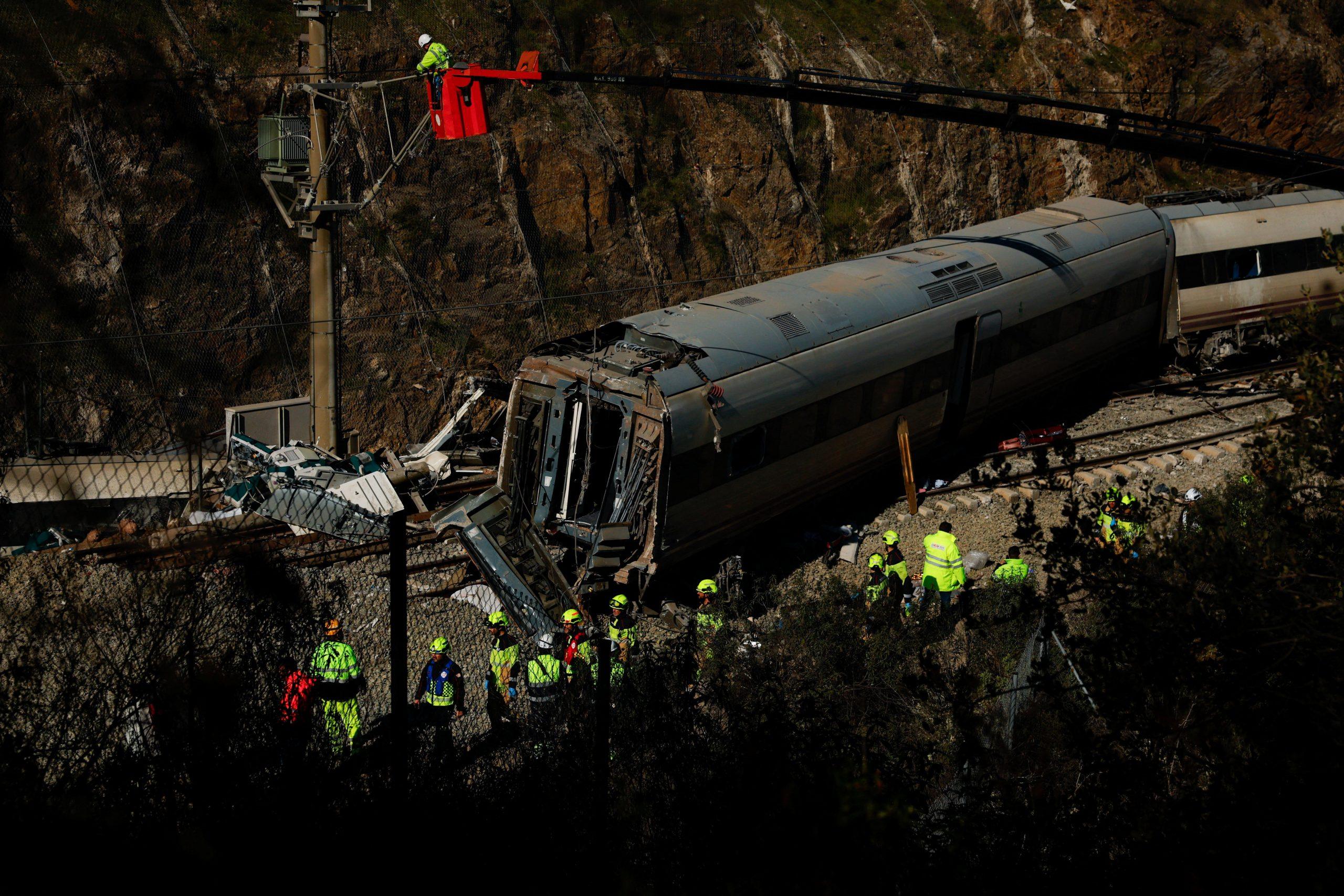
Spain has been struck by a second devastating train accident within just 48 hours, highlighting urgent concerns about railway infrastructure safety. One person has been killed and dozens injured after a Spanish commuter train crashed into the rubble of a wall that collapsed onto railway tracks outside Barcelona. The crash in the municipality of Gelida, approximately 40km west of Barcelona, in Catalonia in northeastern Spain on Tuesday, comes just two days after a separate train collision killed at least 42 people in the country’s southern Andalusia region.
Details of the Barcelona Incident
The fire service inspector said 37 people had been injured, four of them seriously, and the train driver had died. Catalonia’s civil protection agency posted on social media that “a retaining wall collapsed onto the tracks, causing an accident involving a passenger train”. Spain’s railway operator ADIF said the wall likely collapsed due to heavy rains that swept across the region this week. Emergency services deployed at least 20 ambulances to the scene to transport the injured to local hospitals.
Connection to Sunday’s Deadly Collision
The Barcelona crash occurred as Spain began three days of mourning for the victims of Sunday’s deadly train accident that took place some 800km away, near Adamuz, Cordoba province, in Andalusia. The incident killed at least 42 people and injured 292 others, including 15 in critical condition. The crash was Spain’s worst railway disaster since the Santiago de Compostela derailment in 2013 and the fourth deadliest railway accident ever recorded in the country.
Implications and Outlook
The latest crash will “put a lot of pressure” on the Spanish government and rail authorities “to try and reassure people that they can catch a train in Spain and it’s going to be safe”. These back-to-back tragedies have shaken public confidence in a country that previously prided itself on having the world’s second-longest high-speed rail network. As investigations continue into both incidents, authorities face mounting questions about infrastructure maintenance and safety protocols that could prevent future disasters.