

Spain train crashes: High‑speed collision near Adamuz kills dozens
Introduction: Why the Spain train crashes matter
The high‑speed derailment and collision in southern Spain has emerged as one of the country’s deadliest rail incidents in more than a decade, raising urgent questions about infrastructure, safety oversight and emergency response. With dozens killed and hundreds of passengers involved, the event has immediate human consequences and potential long‑term implications for rail policy and regulation.
Main body: What happened and the known facts
The crash and its immediate toll
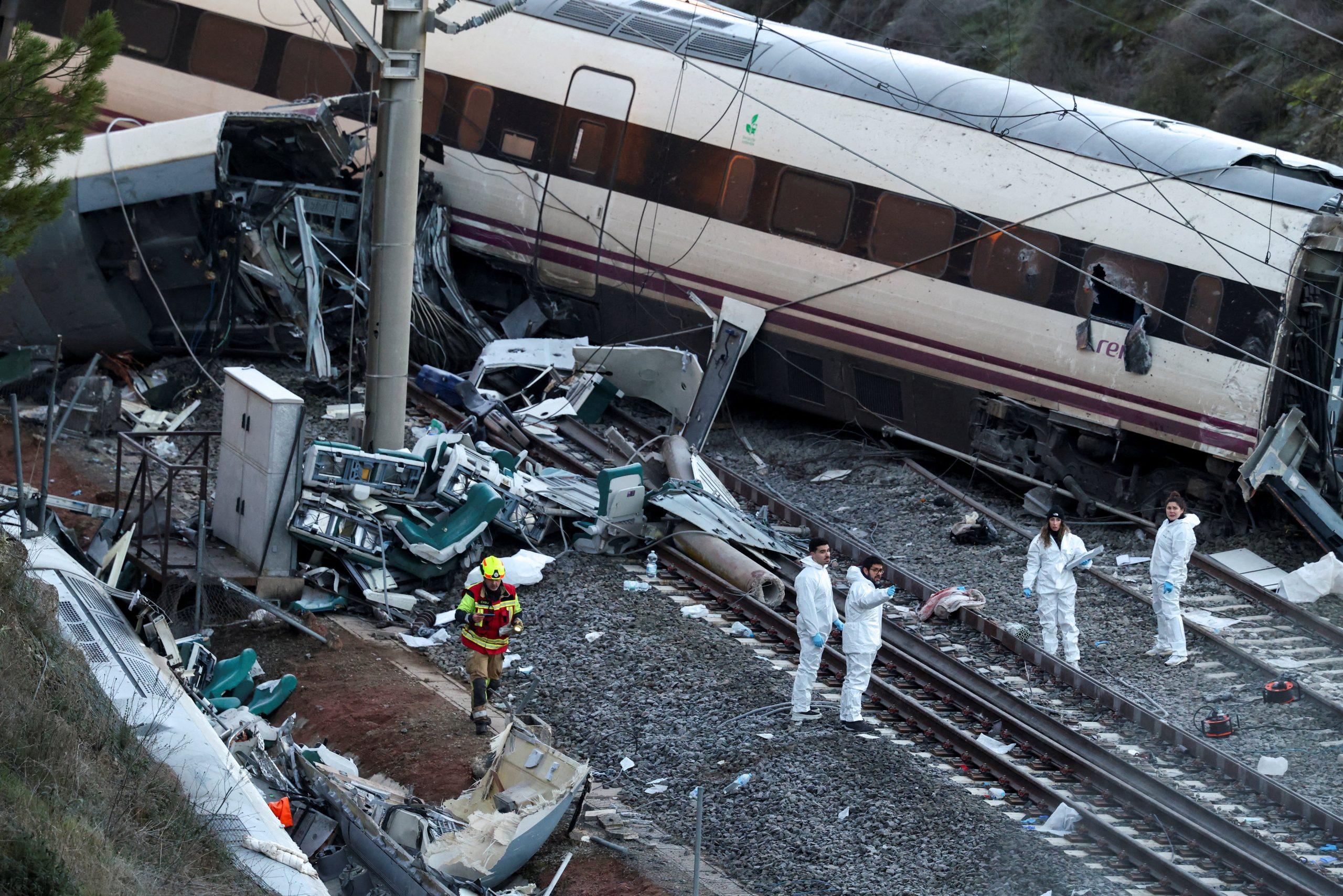
Spanish authorities and international news agencies reported that a high‑speed train derailed and collided with another near Adamuz in southern Spain. The collision was reported on 19 January 2026 and took place on a Sunday evening. Official counts vary by source: the Associated Press reported at least 40 fatalities and more than 150 injured, while the BBC cited at least 39 deaths and numerous injuries. Rail operator statements indicate roughly 400 passengers and staff were aboard both trains combined.
Where and how the collision occurred
Adif, the national rail network operator, said the first train derailed on a straight stretch about ten minutes after departing Málaga at 18:40 local time (17:40 GMT) en route to Madrid. The force of the collision pushed carriages into an embankment. One operator, Iryo, said approximately 300 passengers were on the derailed train; the other, state‑funded Renfe, had about 100 passengers aboard its service.
Warnings and context
Union and industry sources noted pre‑existing concerns about track conditions. The Spanish Union of Railway Drivers told the AP it had written to the national rail operator in August asking for investigations into track flaws and requesting speed reductions at certain points until repairs were completed. The country’s worst high‑speed crash before this was the 2013 Galicia derailment, which left 80 people dead.
Conclusion: Ongoing probes and what to expect
Investigations are under way by rail authorities and the Guardia Civil to establish the precise causes of the derailment and collision. In the short term, attention will fall on victim assistance, scene clearance and restoring services. Longer term, the incident is likely to prompt renewed scrutiny of infrastructure maintenance, speed restrictions in known hazard areas and regulatory oversight. For readers, the crash underscores the importance of transparent investigations and timely safety measures to prevent future tragedies on Spain’s high‑speed network.