

One Battle After Another: Golden Globes Triumph Signals Major Awards Season Success
Introduction: A Cinematic Achievement Takes Centre Stage
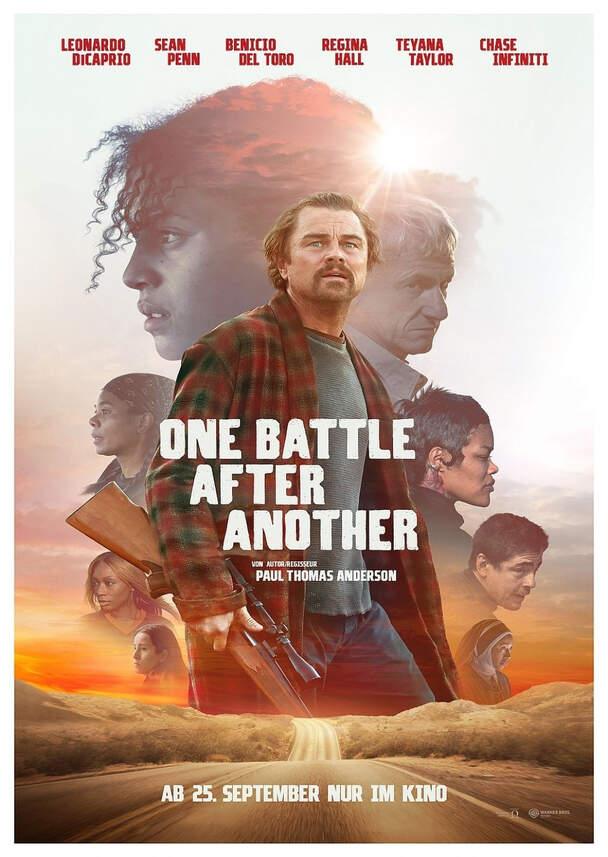
One Battle After Another, a 2025 American black comedy action thriller film written, co-produced, and directed by Paul Thomas Anderson, stars Leonardo DiCaprio, Sean Penn, Benicio del Toro, Regina Hall, Teyana Taylor, and Chase Infiniti. The film has emerged as a defining moment in Hollywood’s 2026 awards season, capturing critical acclaim and industry recognition despite facing box office challenges.
Golden Globes Dominance
On the film side, One Battle After Another reigned supreme, picking up four wins, including best motion picture (musical or comedy), best supporting actress in a motion picture, best screenplay and best director. The film was nominated for nine awards at the 83rd Golden Globe Awards, receiving the most nominations of any film that year. Teyana Taylor won her first Golden Globe for her supporting role in the film, delivering a powerful speech: “To my brown sisters and little brown girls nominated tonight, our softness is not a liability. Our light does not need permission to shine.”
Critical Recognition and Cultural Impact
The American Film Institute and National Board of Review named One Battle After Another as one of the top 10 films of 2025, and at the 31st Critics’ Choice Awards, it won three awards, including Best Picture and Best Director for Anderson. The film follows an ex-revolutionary who is forced back into his former combative lifestyle when he and his daughter are pursued by a corrupt military officer. One Battle After Another became the most nominated film in the history of the Screen Actors Guild at the 32nd Actor Awards, with a record-breaking seven nominations.
Looking Ahead: Oscar Prospects and Industry Significance
The film was shortlisted for five Academy Award categories for the upcoming 98th Academy Awards; the nominations will be announced on January 22, 2026. However, as of January 8, 2026, One Battle After Another has grossed $72 million in the United States and Canada, and $134 million in other territories, for a worldwide total of $206 million, falling short of its estimated $300 million break-even point. Despite commercial disappointment, the film’s awards success demonstrates that artistic merit and cultural relevance continue to resonate with industry voters, positioning it as a frontrunner for Oscar glory and cementing Anderson’s reputation as one of cinema’s most visionary directors.