

Ron Howard: From Child Actor to Academy Award-Winner
Introduction
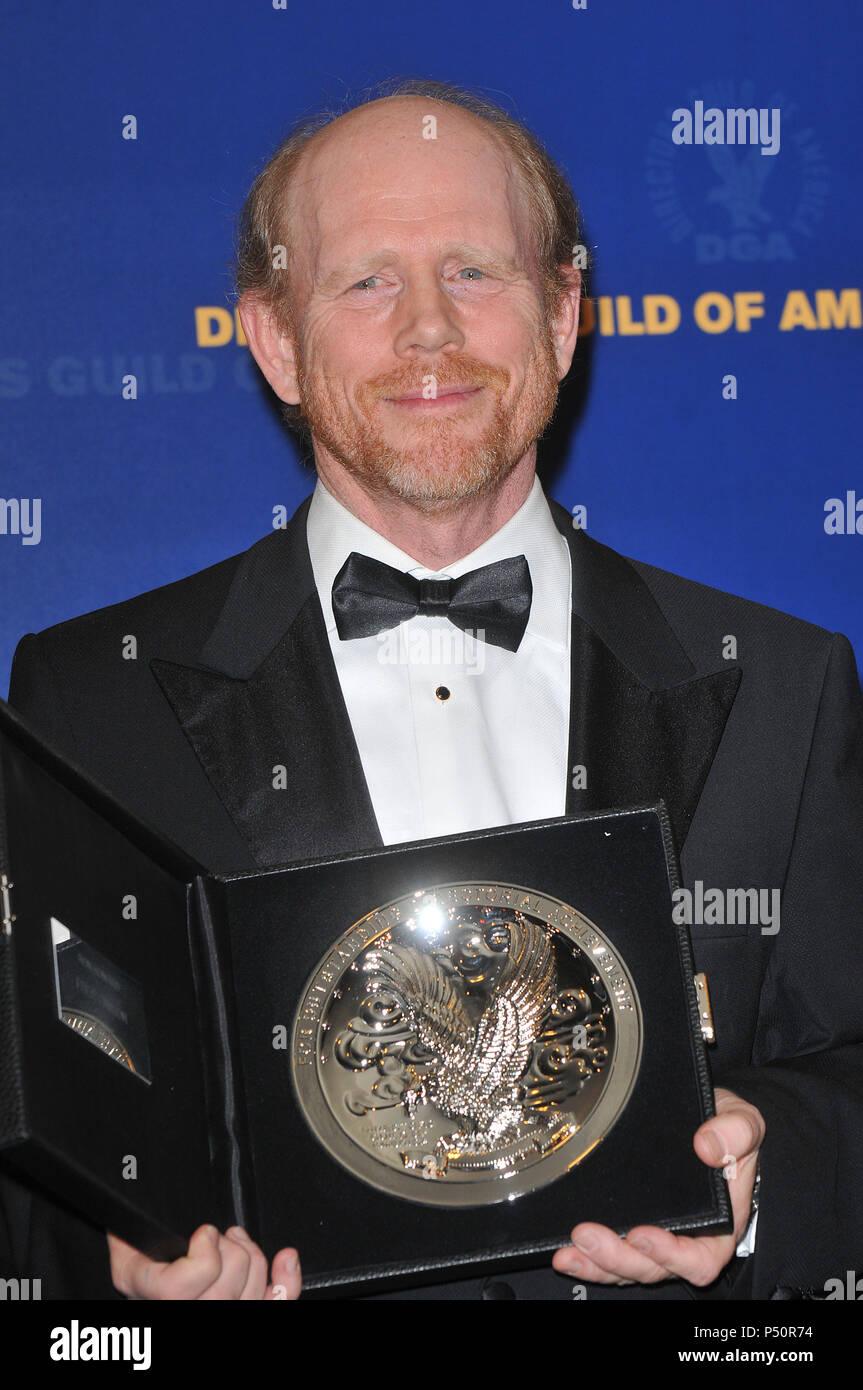
Ron Howard’s career is a prominent example of a performer evolving into a filmmaker whose work spans mainstream drama, biography and documentary. His trajectory—from child actor to respected director and producer—matters because it illustrates how long-term creative development can shape film and television storytelling. Audiences and industry professionals continue to follow his projects for their blend of character-led drama and attention to real-life material.
Main body
Early life and transition
Ronald William Howard was born on 1 March 1954 in Duncan, Oklahoma. He began his professional life as a child actor and later transitioned to directing and producing, building a reputation for adapting true stories and handling large-scale dramatic productions.
Notable films and documentaries
Howard’s filmography includes widely recognised features such as Apollo 13 and A Beautiful Mind; he is described in sources as an Academy Award-winner. His work also spans adaptations and genre films, including The Da Vinci Code (2006) and Angels & Demons (2009), both linked to bestselling source material, and Willow (1988). He has directed family and comedy films too, such as Dr. Seuss’ How the Grinch Stole Christmas (2000) starring Jim Carrey and Parenthood starring Steve Martin. Other entries include Night Shift (1982), which featured Henry Winkler, Michael Keaton and Shelley Long, and the western-tinged drama The Missing (2003) starring Cate Blanchett and Tommy Lee Jones. In documentary filmmaking, Howard has brought music and cultural stories to screens with titles like The Beatles: Eight Days a Week – The Touring Years and Pavarotti.
Television and producing roles
Beyond directing, Howard has served as an executive producer on a number of award-winning films and television shows. His producing credits include the HBO miniseries From the Earth to the Moon (1998) and the Fox comedy Arrested Development (2003), a series he also narrated. He has been involved with later releases of Arrested Development on Netflix and with the NBC series Parenthood in an executive capacity.
Conclusion
Ron Howard’s career demonstrates sustained influence across film and television, combining storytelling ambition with an interest in real-life subjects. As an actor-turned-director and executive producer, his body of work has shaped contemporary popular and documentary cinema. For readers, his career offers a case study in longevity and adaptability in the entertainment industry, and his projects remain relevant for those interested in cinematic interpretations of history, biography and large-scale drama.