

Dustin Hoffman: A Look at the Actor’s Career and Legacy
Introduction: Why Dustin Hoffman matters
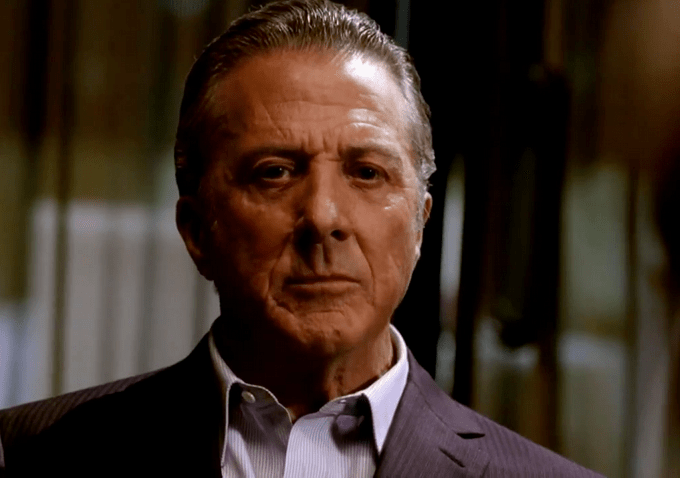
Dustin Hoffman is widely recognised as one of the most influential American actors of the late 20th century. His work across film and theatre helped define a generation of screen acting and contributed to the rise of more naturalistic performances in mainstream cinema. For readers interested in film history, acting craft or cultural impact, Hoffman’s career remains relevant as an example of versatility and longevity.
Main body: Key facts and notable work
Early career and breakthrough
Hoffman’s breakthrough came in the late 1960s, when he emerged as a distinct presence amid the changing landscape of American cinema. He gained widespread attention for his role in The Graduate (1967), which established him as a leading actor capable of complex, subdued performances.
Major roles and awards
Across several decades Hoffman took on a wide variety of roles. He is known for performances in films including Midnight Cowboy, All the President’s Men, Tootsie, Kramer vs. Kramer and Rain Man. His portrayals earned industry recognition: Hoffman won the Academy Award for Best Actor twice, for Kramer vs. Kramer and for Rain Man. These awards highlighted both his dramatic range and his ability to carry films that became part of the wider cultural conversation.
Acting style and legacy
Hoffman is often associated with a more naturalistic, emotionally grounded approach to acting that influenced subsequent generations. He worked in both film and theatre, showing a commitment to craft rather than a single star persona. Directors and fellow actors have cited his willingness to take on unconventional roles and to inhabit characters with deep psychological realism.
Conclusion: Significance and outlook
Dustin Hoffman’s body of work continues to be studied and appreciated by audiences and practitioners. His performances remain available through retrospectives, streaming platforms and film education, ensuring ongoing access for new viewers. For readers, Hoffman’s career offers lessons in adaptability, character development and the lasting power of performance. As film scholarship and public interest in classic cinema persist, Hoffman’s influence is likely to endure, securing his place in the history of screen acting.