
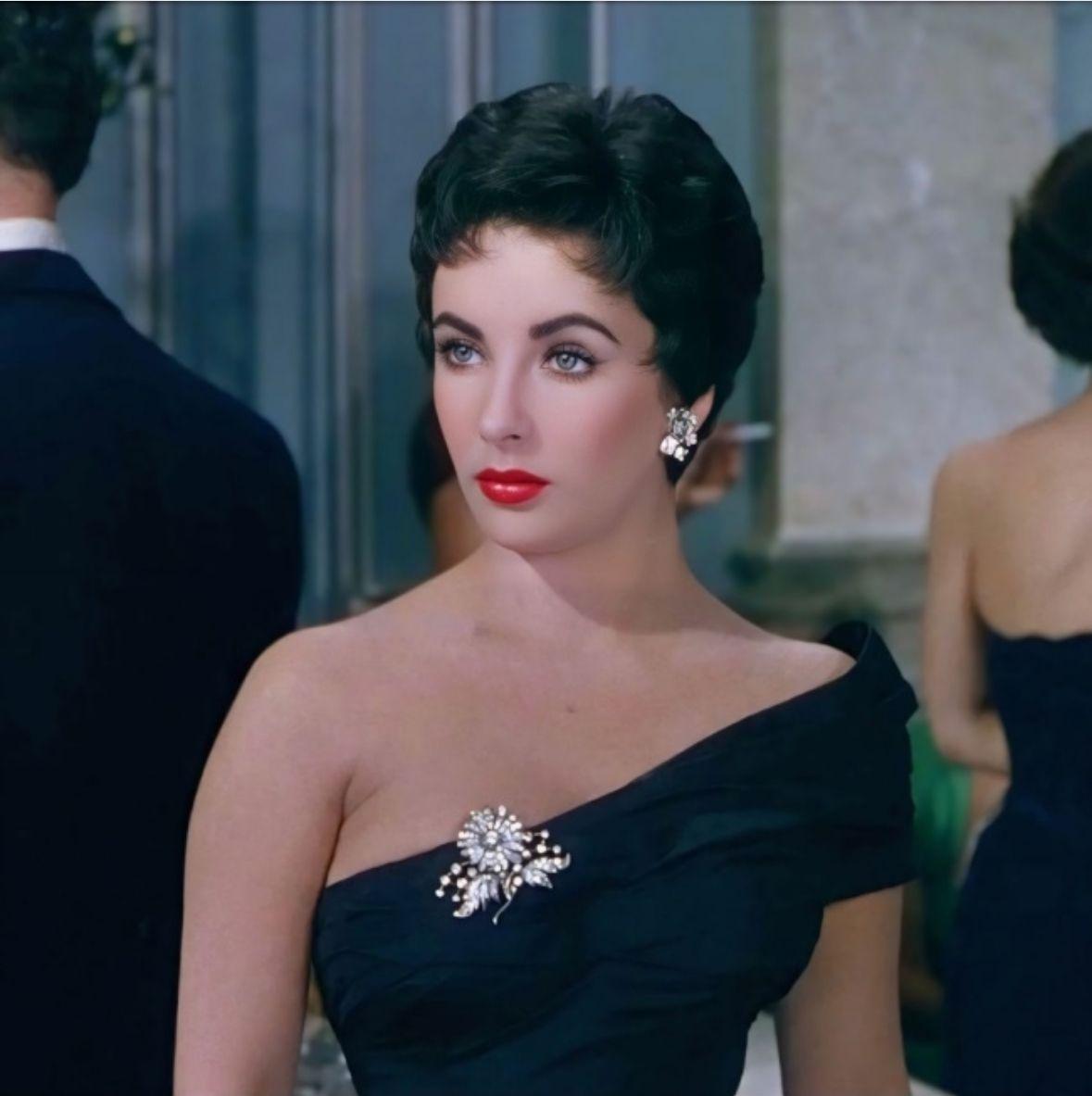
Introduction: Why Elizabeth Taylor Still Matters
Dame Elizabeth Rosemond Taylor, DBE — widely known as Elizabeth Taylor or Liz Taylor — remains a defining figure in 20th-century cinema. Her life and work are important because they exemplify the intersection of star power, artistic craft and the business of film. As critic Vincent Canby observed, Taylor represents “the complete movie phenomenon” — a measure of what motion pictures have meant both as art and as industry to generations of audiences.
Main body
Early life and screen persona
Born in London on 27 February 1932 and later becoming an English‑American actress, Taylor combined striking beauty with a notable talent for portraying volatile and strong‑willed characters. Over a lengthy career she moved from ingénue roles to complex adult performances that drew critical attention and public fascination.
Key films and critical recognition
Taylor’s work in major studio films helped cement her reputation. Her performance in George Stevens’ Giant (1956) heightened respect for her dramatic abilities, while her role in the epic Cleopatra (1963) underscored her box‑office appeal; she reportedly set a then‑record by earning $1 million to star in that production. Her peers and critics recognised her gifts with top industry honours: she won an Academy Award for Butterfield 8 (1960) and returned to the podium six years later for her performance in Mike Nichols’ Who’s Afraid of Virginia Woolf (1966), in which she co‑starred opposite Richard Burton.
Star power and public image
Beyond specific films and awards, Taylor was among the most glamorous and highly paid performers of her era. Her presence in the public eye combined artistic achievement with celebrity, shaping how audiences and the industry perceived leading actors in the post‑war period.
Conclusion: Legacy and significance for readers
Elizabeth Taylor’s career remains significant as an example of cinematic stardom that married craft, commercial clout and cultural impact. For readers, her story illustrates how a performer can influence both the art and the economics of film. Decades after her death in Los Angeles on 23 March 2011, Taylor’s films, awards and star image continue to be studied and appreciated as central chapters in the history of modern cinema.