

Michael Sheen — From Newport Stage to Film and Politics Portrayals
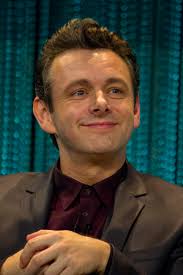
Introduction: Why Michael Sheen matters
Michael Sheen (born Michael Christopher Sheen in Newport, Wales) is a prominent British actor whose versatility across stage, film and television has made him a recognised figure in contemporary performing arts. His career spans classical theatre performances and high-profile screen roles, making his work relevant to audiences interested in modern British acting, biographical portrayals and cross-medium careers in performance and production.
Main body: Career milestones and notable roles
Early stage work and breakthrough
Sheen attracted critical attention early in his career for stage roles, notably his performance as Henry V — a part that won notice for his deft interpretation despite a less traditional physical presence for the role. That stage success helped pave the way to film and television opportunities.
Transition to film
Sheen’s first feature film role was filmed in 1994 in Mary Reilly, where he played Dr Jekyll’s footman; the film was released in 1996. Around the same period he appeared in Othello (1995). Through the late 1990s and early 2000s he built a diverse screen résumé, appearing in titles such as The Four Feathers (2002) and taking a major role in the action-horror film Underworld (2003) opposite Kate Beckinsale.
Supporting and high-profile portrayals
In 2003 Sheen also appeared in Bright Young Things and Timeline, demonstrating his ability to move between genres. One of his best-known screen portrayals came in 2006 when he played British Prime Minister Tony Blair in Stephen Frears’ film The Queen — a role that increased his visibility in dramatic, real-life character work.
Roles beyond acting
Beyond acting, sources list Sheen’s involvement with soundtracks, producing and directing. TV Guide indicates at least one directing credit, reflecting a career that extends behind the camera as well as in front of it.
Conclusion: Significance and outlook
Michael Sheen’s trajectory from Newport stages to internationally released films highlights his adaptability and range. His mix of classical theatre training, genre-spanning film roles and work in production suggests he will remain a notable figure in British and international drama. For readers, Sheen represents a contemporary actor who bridges stage credibility and screen recognition, and his past choices indicate a continued presence in both biographical and genre projects.