

Matthew Lillard Addresses Tarantino Criticism: ‘It Hurts’
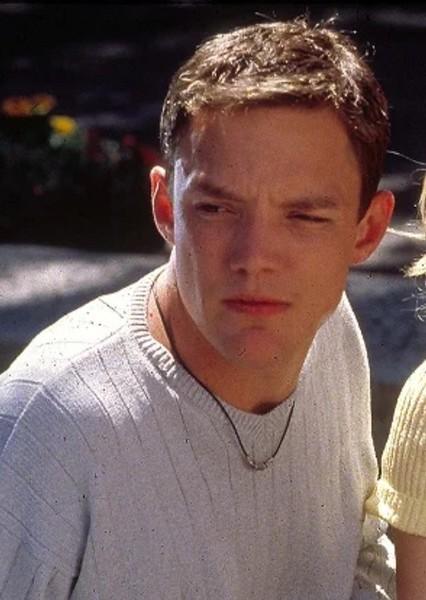
Actor Responds to Director’s Harsh Comments
Matthew Lillard has publicly responded to Quentin Tarantino’s recent criticism after the Oscar-winning director stated ‘I don’t care for Matthew Lillard’ during an appearance on The Bret Easton Ellis Podcast. Speaking at GalaxyCon in Columbus, Ohio, Lillard told fans that ‘Quentin Tarantino this week said he didn’t like me as an actor,’ prompting boos from the audience.
The Emotional Impact of Industry Criticism
Despite initially brushing off the comments with a casual attitude, Lillard candidly admitted the remarks affected him deeply. The Five Nights at Freddy’s star revealed that ‘it hurts your feelings. It fucking sucks’. He pointed out the disparity in how criticism is directed at actors, noting ‘you wouldn’t say that to Tom Cruise. You wouldn’t say that to somebody who’s a top-line actor in Hollywood’.
Hollywood vs. Fan Convention Fame
Lillard acknowledged his unique position in the entertainment industry, stating ‘I’m very popular in this room. I’m not very popular in Hollywood,’ adding that ‘it’s humbling, and it hurts’. This candid reflection highlights the contrast between his strong fanbase at conventions and his standing within mainstream Hollywood circles.
Recent Career Developments
In January 2025, it was announced that Lillard was returning to the Scream franchise for its seventh entry, having previously played Stuart ‘Stu’ Macher in the first film. The actor currently stars in Five Nights at Freddy’s 2 and continues to voice the beloved character Shaggy Rogers in Scooby-Doo productions. Tarantino’s comments grouped Lillard alongside Paul Dano and Owen Wilson as actors whose work the director doesn’t care for.
Significance for the Industry
This exchange has sparked broader conversations about criticism in the film industry and the emotional toll public dismissals can take on working actors. Lillard’s honest response resonates with many performers who navigate the challenging balance between artistic validation and public opinion, reminding audiences of the human element behind Hollywood careers.