

Steve Coogan: Actor, Comedian and Cultural Figure
Introduction: Why Steve Coogan matters
Steve Coogan is one of Britain’s most recognisable comic actors and writers, known for creating the fictional broadcaster Alan Partridge and for a varied film and television career. His work has influenced British comedy, while his public campaigning around media ethics has had wider social and legal repercussions. Understanding Coogan’s career offers insight into contemporary British culture, the crossover between comedy and drama, and debates over press behaviour.
Main body
Early career and Alan Partridge
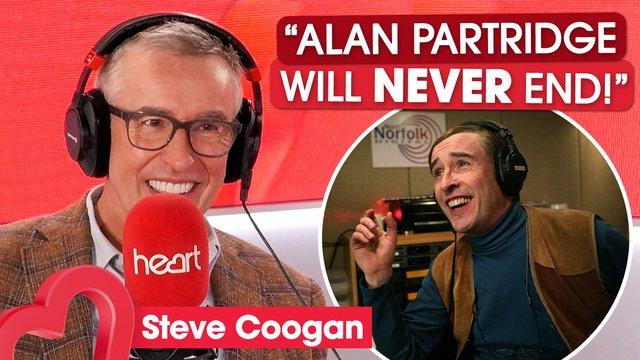
Born in Middleton, Greater Manchester in October 1965, Coogan first gained attention in the early 1990s with character work on radio and television. He created Alan Partridge, a socially inept, self-important media figure, for radio shows and later television series such as Knowing Me, Knowing You and I’m Alan Partridge. The character became a long-running cultural touchstone, revived across formats and generations and often used to satirise broadcasting culture and celebrity.
Film and television highlights
Beyond Partridge, Coogan has built a substantive screen career. He played Tony Wilson in 24 Hour Party People (2002), a role that brought him wider dramatic recognition. He co-starred with Rob Brydon in the acclaimed The Trip series, a mix of comedy and travelogue that was adapted into feature-length films. In 2013 he co-wrote and produced Philomena, starring Judi Dench, which earned several award nominations including an Academy Award nomination for Best Adapted Screenplay for Coogan and co-writer Jeff Pope. More recently he received praise for his portrayal of Stan Laurel in Stan & Ollie (2018) and continues to alternate between comic projects and serious drama.
Public advocacy and impact
Coogan has also been prominent in public debate over press standards. He was among those who brought legal action over phone-hacking and provided evidence during the Leveson Inquiry into media ethics. His advocacy contributed to conversations about regulation, privacy and the responsibilities of the press in the UK.
Conclusion: Significance and outlook
Steve Coogan’s mix of satirical inventiveness, dramatic ambition and public engagement has kept him central to British cultural life. Alan Partridge remains a defining character in British comedy, while Coogan’s film work and activism show a broader reach. Looking ahead, he is likely to continue balancing high-profile screen roles with stage and media projects, and to remain an influential voice in debates about culture and the press.