

Tom Courtenay: A life in British film and theatre
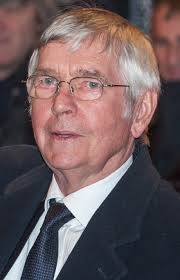
Introduction: Why Tom Courtenay matters
Tom Courtenay is recognised as one of the most influential British actors of the post‑war era. His work helped define the British New Wave of the early 1960s and established a career that spans film, television and theatre. For readers interested in British cultural history, Courtenay’s performances illuminate shifts in social attitudes, acting style and the national film industry over more than half a century.
Main body: Career highlights and impact
Early life and rise to prominence
Born in Kingston upon Hull in 1937, Courtenay rose to public attention with raw, naturalistic performances that captured working‑class life in Britain. His roles in Saturday Night and Sunday Morning (1960) and The Loneliness of the Long Distance Runner (1962) remain touchstones of the British New Wave: films that moved away from studio gloss and towards gritty realism. Those early performances established Courtenay as an actor able to combine emotional subtlety with an everyman presence.
Later acclaim and stage work
Across subsequent decades Courtenay moved fluidly between screen and stage. He earned international recognition for his role in The Dresser (1983), which brought him an Academy Award nomination and further critical attention. Throughout his career he has taken on a wide range of parts, from intimate character studies to larger theatrical roles, underscoring a versatility that critics and audiences have frequently praised.
Legacy and influence
Courtenay’s influence extends beyond individual performances. His approach helped shift expectations for male protagonists in British cinema, favouring interiority and complexity over archetypal heroism. Directors, actors and film historians frequently cite his early films when discussing the development of contemporary British screen acting.
Conclusion: What it means for readers
Tom Courtenay’s body of work offers both a historical mirror and an acting masterclass. For contemporary viewers and students of film and theatre, his career provides insights into changing tastes, social narratives and craft. As retrospectives and restorations of mid‑20th century British cinema continue, Courtenay’s performances are likely to attract renewed attention and remain essential viewing for anyone exploring Britain’s cultural landscape.