

Tom Fletcher Spearheads Historic UN Humanitarian Agreement to Transform Global Aid Delivery
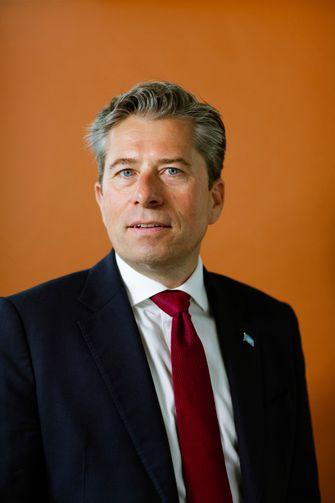
Introduction: A Landmark Moment in Global Humanitarian Response
The United Nations and the United States have formalized a $2 billion humanitarian assistance agreement for global relief programmes, marking a significant milestone in international aid coordination. UN Emergency Relief Coordinator Tom Fletcher described the past year as “a very, very tough year for everyone engaged in humanitarian action”, yet this agreement signals renewed commitment to addressing escalating humanitarian crises worldwide.
The Humanitarian Reset Initiative
The agreement represents a major vote of confidence in the ‘Humanitarian Reset’ announced by Fletcher in March 2025, aimed at delivering aid faster, smarter and closer to people who need it most. The funding supports the UN’s 2026 plan to reach 87 million people with emergency assistance, targeting 17 crisis-affected countries including Ukraine, Sudan, Syria, and Haiti.
The plan has been “hyper-prioritized” to reduce duplication, streamline bureaucracy and maximize efficiency across the humanitarian system. Fletcher emphasised accountability, stating that mechanisms would ensure every dollar is tracked to confirm it is saving lives.
Confronting Unprecedented Global Challenges
Fletcher warned that “a quarter of a billion people are in urgent need of humanitarian help” while funding has fallen to its lowest level in a decade. In 2025, hunger surged with food budgets cut even as famines hit parts of Sudan and Gaza, whilst health systems broke apart and disease outbreaks rose.
Over 380 aid workers were killed in 2025, the highest on record, highlighting the increasingly dangerous environment humanitarian personnel face. Despite these challenges, Fletcher noted that millions more will receive much-needed support and the funding would help save tens of millions of lives.
Looking Ahead: 2026 as a Year of Diplomacy
Fletcher highlighted the link between humanitarian action and diplomacy, calling for 2026 to be “a year of diplomacy and peacemaking”. The agreement demonstrates how reform-minded approaches and enhanced accountability can restore donor confidence even amid global funding pressures. For humanitarian workers and crisis-affected populations worldwide, Tom Fletcher’s leadership represents hope that the international community can adapt and respond more effectively to today’s complex emergencies.