

Lockheed Martin F-35 Lightning II: Status and Strategic Role
Introduction: Why the F-35 Lightning II matters
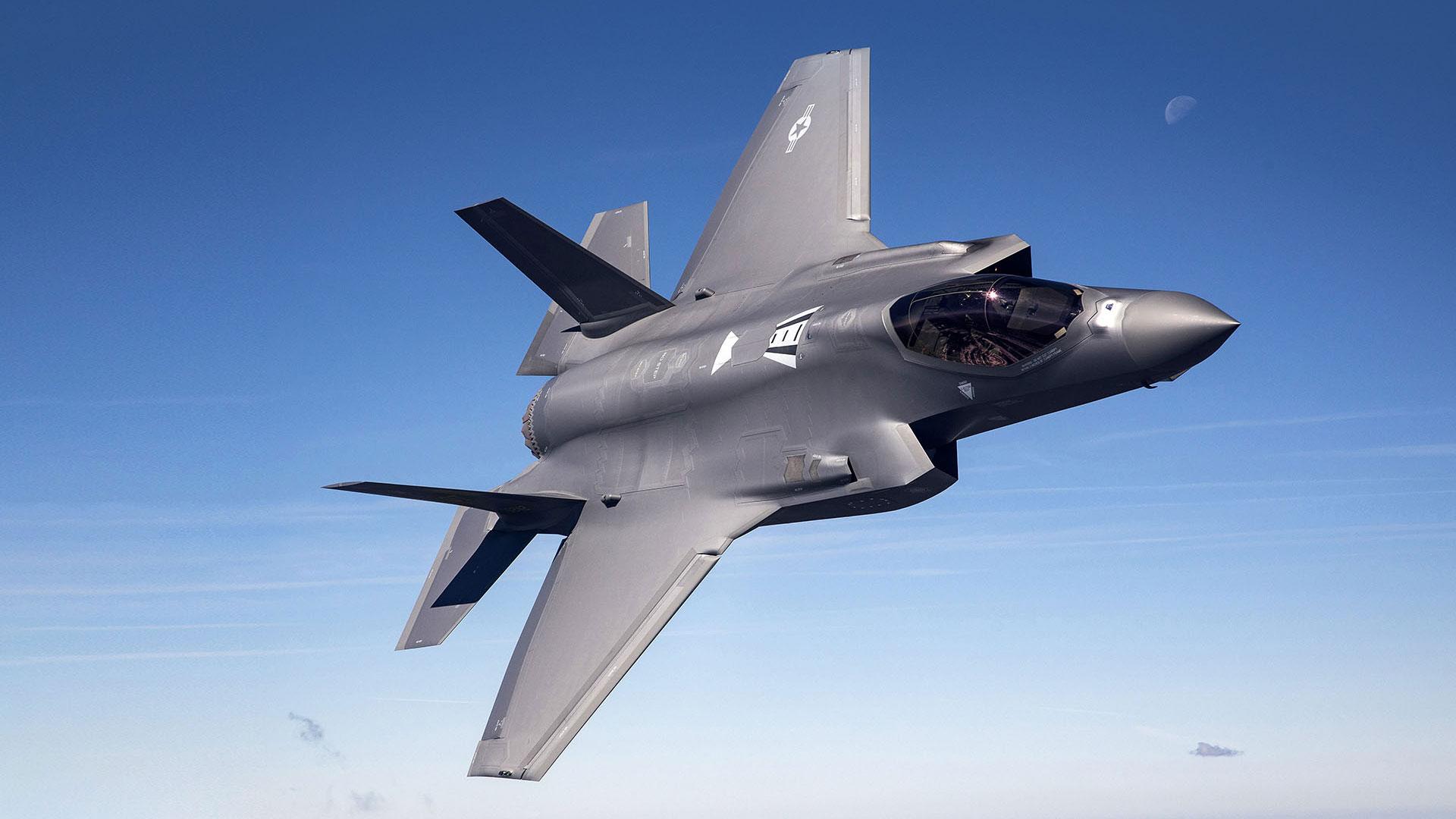
The Lockheed Martin F-35 Lightning II is a fifth‑generation multirole combat aircraft that has become central to the air power plans of many allied nations. Its combination of stealth, sensor fusion and interoperability has reshaped procurement and doctrine discussions across NATO and partner states. Understanding its development, capabilities and challenges is important for defence planners, industry watchers and the public as many countries expand or modernise their fleets.
Main developments and facts
Design, variants and capability
The F-35 family comprises three main variants: the F-35A conventional take‑off and landing (CTOL) model, the F-35B short‑takeoff/vertical‑landing (STOVL) model, and the F-35C carrier‑capable model. Built by Lockheed Martin with major contributions from partners including Northrop Grumman and Pratt & Whitney (F135 engine), the aircraft integrates low observability, advanced sensors and a modern cockpit intended to improve situational awareness and networked operations.
Global adoption and operational use
Adopted by more than a dozen allied nations, the F-35 has moved from initial operational capability to an expanding global fleet used in training, deterrence and operational missions. Nations operating the type have customised software and mission systems to local needs in some cases, while industrial partnerships have broadened production and sustainment bases.
Modernisation and sustainment
The programme continues a multi‑stage upgrade path, with software and hardware enhancements rolled out through planned capability blocks. Logistics systems have evolved too: Lockheed Martin and partners replaced early sustainment software with newer solutions to improve maintenance data flow and fleet readiness. Cost‑to‑operate and long‑term sustainment remain focal points for governments as the fleet scales up.
Challenges and oversight
The F-35 programme has faced scrutiny over acquisition costs, delays and lifecycle affordability. Oversight by partner governments and continued investment in industrial supply chains are key to ensuring planned capability deliveries and readiness levels.
Conclusion: Outlook and significance
The F-35 Lightning II will remain a cornerstone of allied air forces for decades, driving changes in doctrine, procurement and multinational cooperation. Continued upgrades aim to keep the platform relevant against evolving threats, but attention to sustainment costs and supply‑chain resilience will determine how effectively nations can field and operate the aircraft over its long service life.