

Donkey Sanctuaries Face Wet Winter Damage
Introduction: Why wet winters matter for donkey sanctuaries
Wet winter damage at donkey sanctuaries is a pressing animal-welfare and operational concern. Prolonged rainfall and saturated ground increase the risk of flooding, shelter deterioration and pasture loss, directly affecting the health and safety of resident donkeys. For charities and care centres operating on limited budgets, the seasonal challenge of a wet winter can strain resources, staffing and long-term maintenance plans.
Main body: Typical impacts and common responses
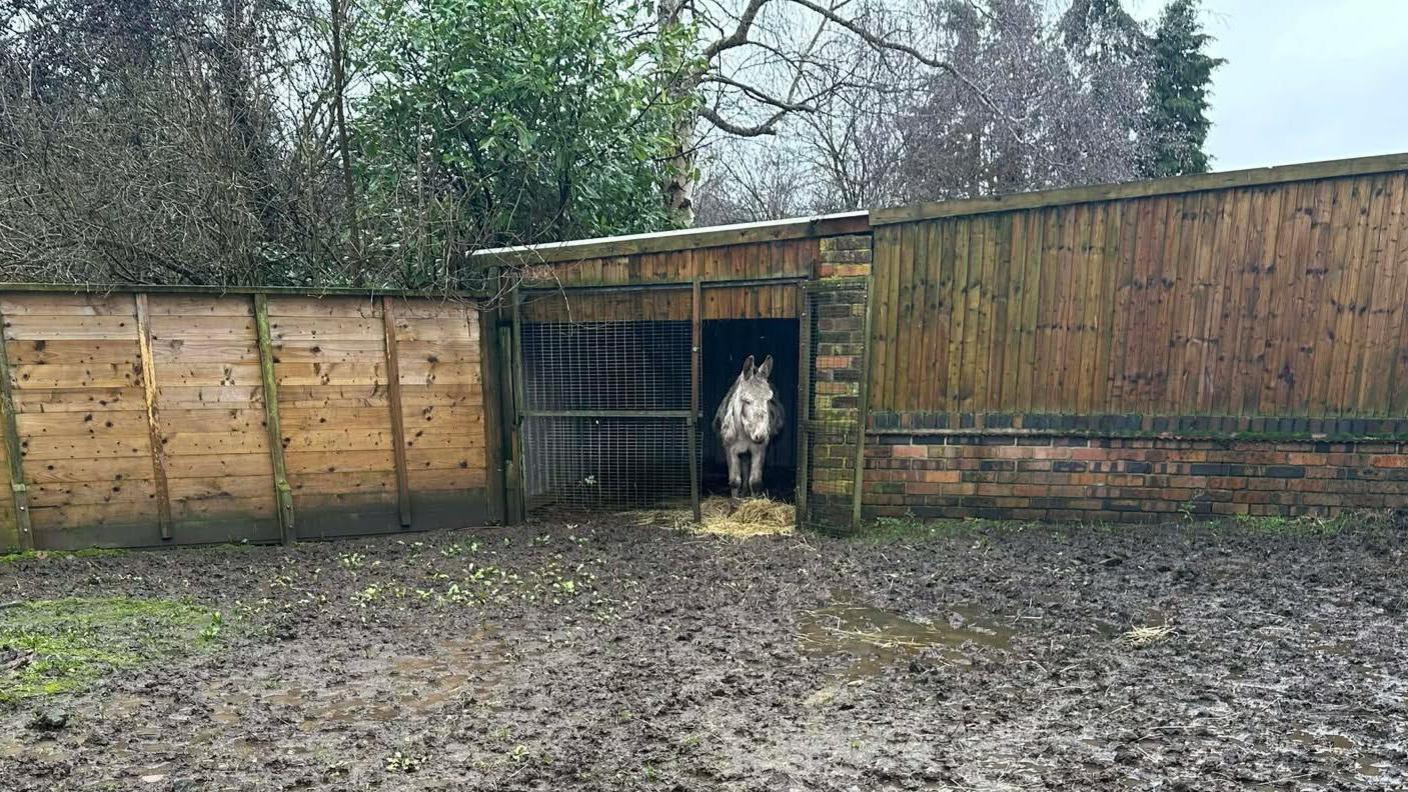
Donkeys are generally hardy, but persistent wet conditions can exacerbate a range of problems. Waterlogged paddocks become muddy and eroded, reducing usable grazing and increasing the likelihood of hoof conditions such as thrush or abscesses where prolonged moisture softens the hoof. Heavy rainfall can damage fencing and shelters, leaving animals exposed and increasing the need for emergency repairs.
For sanctuary staff and volunteers, wet winters often mean more time spent on daily care tasks—moving animals to drier turnout, providing additional bedding, and monitoring feet and coats. Transporting fodder and accessing remote paddocks can also be harder when tracks are flooded or churned by vehicles. Many sanctuaries find that utility and repair costs rise, while fundraising can be unpredictable, so financial planning becomes crucial.
Responses typically focus on immediate animal welfare and medium-term resilience. Common measures include creating covered loafing areas with proper drainage, installing hard-standing gateways to reduce churn, improving surface water channels, and stockpiling bedding and feed for emergencies. Veterinary checks and farriery visits are prioritised to detect and treat hoof problems early. Organisations also often mobilise volunteers and donors with focused appeals to cover repair and emergency costs.
Conclusion: Significance and outlook for readers
Wet winter damage poses both short-term welfare challenges and longer-term maintenance needs for donkey sanctuaries. For supporters and local communities, awareness and timely assistance—volunteering, donations or practical help with groundworks—can make a tangible difference. Looking ahead, investment in drainage, shelter upgrades and emergency planning will reduce vulnerability to future wet winters, helping sanctuaries maintain safe, healthy environments for donkeys regardless of seasonal extremes.