

Understanding the Chicken Welfare Pledge
Introduction: Why a chicken welfare pledge matters
As public concern about farm animal welfare grows, the “chicken welfare pledge” has become an important shorthand for commitments by retailers, producers and supply chains to improve conditions for chickens. The topic matters to consumers, policymakers and farmers because welfare standards influence animal health, food quality and market access. Clear pledges can help shoppers make informed choices and can drive industry-wide change.
Main developments and common elements
What organisations typically promise
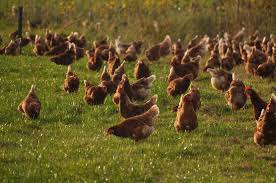
A chicken welfare pledge usually sets out a series of measurable actions aimed at improving living conditions for birds. Typical elements include moving away from the most intensive housing systems, providing more space and environmental enrichment, using slower-growing breeds, reducing routine mutilations, improving lighting and ventilation, and ensuring better health and veterinary care. Pledges often reference independent auditing or certification to give confidence that commitments are being met.
How pledges are implemented
Implementation commonly involves supply-chain changes, investment in housing and training for farm staff, and timebound targets. Retailers and foodservice operators may set phased approaches with interim milestones so suppliers can adapt. Verification mechanisms range from internal audits to third-party certification schemes; transparency about timelines and monitoring is a key factor in assessing the credibility of any pledge.
Drivers and challenges
Drivers include consumer demand for higher welfare products, pressure from advocacy groups, and evolving regulatory frameworks. Challenges include cost implications for producers, potential supply constraints, and the need for consistent standards across regions. Smaller farms may need support to meet new requirements without losing market access.
Conclusion: What it means for consumers and the sector
A chicken welfare pledge can signal meaningful improvements when it is specific, timebound and independently verified. For consumers, pledges offer a way to align purchasing with animal welfare values, provided labels and claims are clear. For the sector, credible pledges can foster innovation and market differentiation, but success depends on realistic implementation plans and ongoing transparency. Observers should look for concrete milestones and verification to judge progress over time.