

Battersea Power Station: From Industrial Landmark to Regeneration Hub
Introduction
Battersea Power Station is one of London’s most recognisable riverside landmarks. Its regeneration is significant for heritage conservation, urban renewal and the capital’s economy. The transformation of this former coal‑fired power station into a mixed‑use destination demonstrates how industrial heritage can be repurposed to meet contemporary needs while reconnecting communities to the River Thames.
Main body
History and architecture
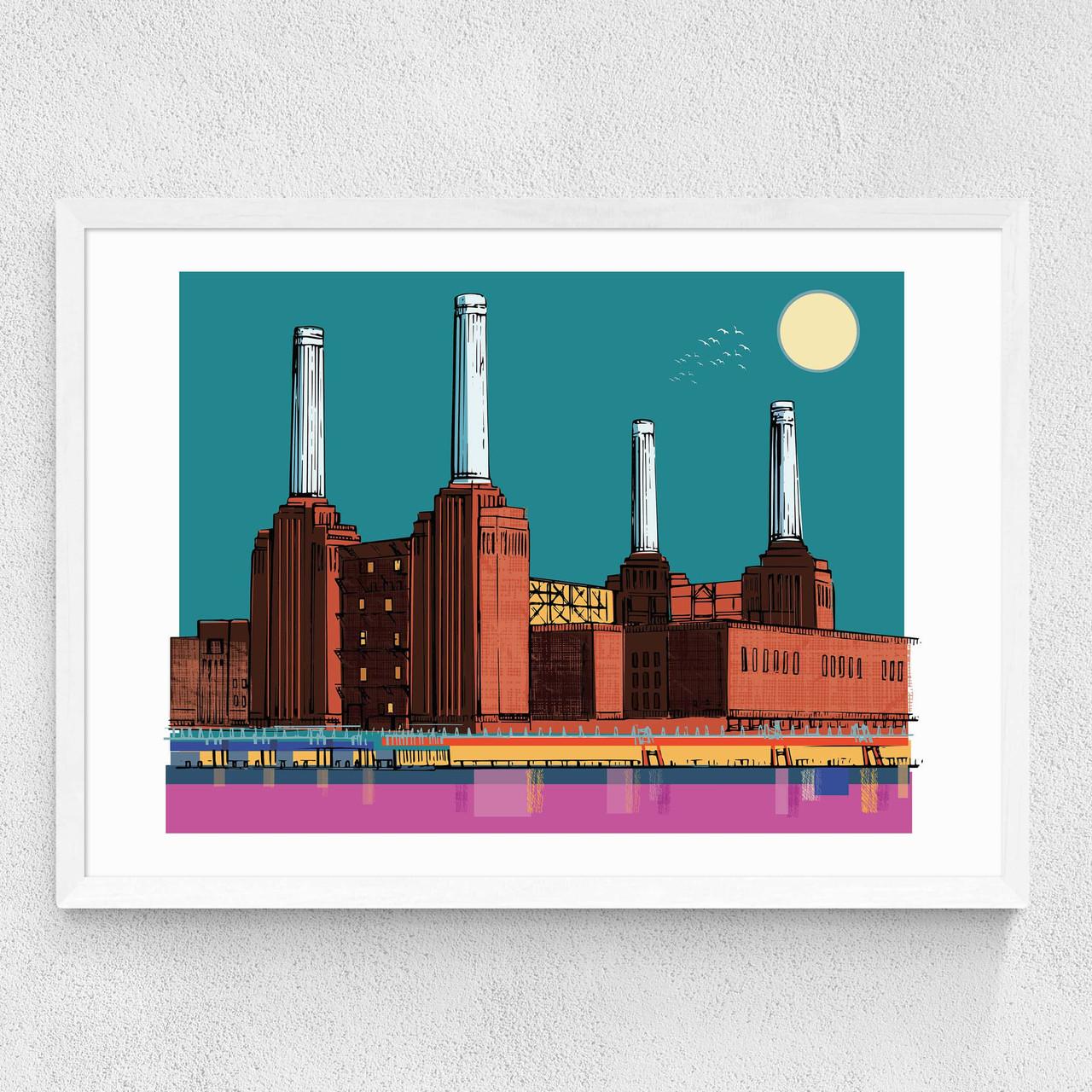
Built in stages in the mid‑20th century, Battersea Power Station became a defining feature of the south‑west London skyline. The building’s exterior — including its four iconic chimneys — is widely associated with the work of Sir Giles Gilbert Scott and the era’s industrial architecture. After decades of operation, power generation ceased in 1983 and the site subsequently stood empty for many years, during which time its conservation status highlighted the challenge of preserving industrial heritage in a modern city.
Redevelopment and transport
In recent years the power station has been redeveloped into a mixed‑use complex incorporating commercial, residential and leisure space while retaining key historic fabric. The scheme seeks to balance public access, conservation and private investment. Improved transport connections have been a central part of the site’s reinvigoration: a new Underground station on the Northern Line extension now provides direct links to central London, making the riverside site more accessible to commuters and visitors alike.
Community and economic impact
The redevelopment has brought new jobs, retail and cultural opportunities to the surrounding area and has formed a focal point for events and exhibitions. Public spaces around the station aim to reconnect local neighbourhoods with the Thames and Battersea Park. At the same time, the project has raised questions about affordability, local housing and how best to ensure long‑term benefits for existing communities.
Conclusion
Battersea Power Station’s conversion from industrial plant to mixed‑use destination is an emblematic example of urban regeneration. Preserving the structure’s historic character while adapting it for modern use offers a template for similar projects. Looking ahead, the site is likely to continue attracting visitors and investment, but its long‑term success will depend on balancing commercial activity with inclusive community outcomes and sustained heritage stewardship.