

Tracking the World’s Tallest Buildings: Leaders and Trends
Introduction: Why the World’s Tallest Buildings Matter
The world’s tallest buildings are more than feats of architecture: they are visible symbols of economic ambition, technological progress and urban identity. From tourism and investment to engineering innovation and sustainability debates, supertall towers influence city skylines and planning priorities worldwide. Understanding which structures lead the list and why they matter helps readers appreciate broader trends in urban development.
Main developments and current leaders
Top landmarks
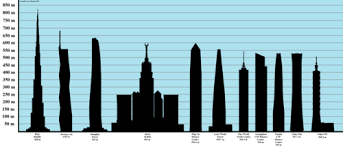
As of the latest verified figures, the Burj Khalifa in Dubai remains the world’s tallest building at 828 metres, continuing to draw millions of visitors and global attention. China hosts several of the tallest remaining towers, including the Shanghai Tower (632 metres) which combines office, retail and public space, and the Abraj Al-Bait complex in Makkah (601 metres) with a major mixed-use programme. Close behind is Shenzhen’s Ping An Finance Centre at 599 metres. These structures illustrate how record heights are often paired with mixed commercial, residential and cultural functions.
Engineering and design trends
Recent supertall projects have advanced materials, foundation techniques and aerodynamic forms to manage wind loads and seismic risk. Innovations in vertical transport — high-speed lifts, double-deck elevators and zoned lift systems — make extreme heights practical for occupants. Developers and engineers are also prioritising energy efficiency, façade performance and maintenance strategies to reduce lifecycle costs and environmental impacts.
Regional patterns and stalled ambitions
The Middle East and China have driven much of the recent race to the sky, combining capital availability with a desire for landmark status. Ambitious proposals elsewhere, such as >1,000-metre projects, face technical, financial and regulatory hurdles; some remain planned or paused rather than completed.
Conclusion: Significance and outlook
World’s tallest buildings will continue to symbolise technological capability and economic confidence, but future growth is likely to balance height with sustainability, mixed-use value and urban integration. For readers, these towers are barometers of investment and innovation — striking skylines today and testing grounds for the construction techniques and sustainability standards of tomorrow.