

Joan Eardley rediscovered painting ‘Summer Fields’ found and sold
Introduction: Why the rediscovery matters
The rediscovery of a Joan Eardley painting has drawn attention across the UK art world. Eardley is celebrated for her penetrating depictions of Glasgow street children and the fishing village life of Aberdeenshire. A long-missing work, reported as ‘Summer Fields’, surfaced in a charity shop during a house clearance and highlights both the fragility and continuing public interest in 20th-century British art.
Main body
Discovery and identification
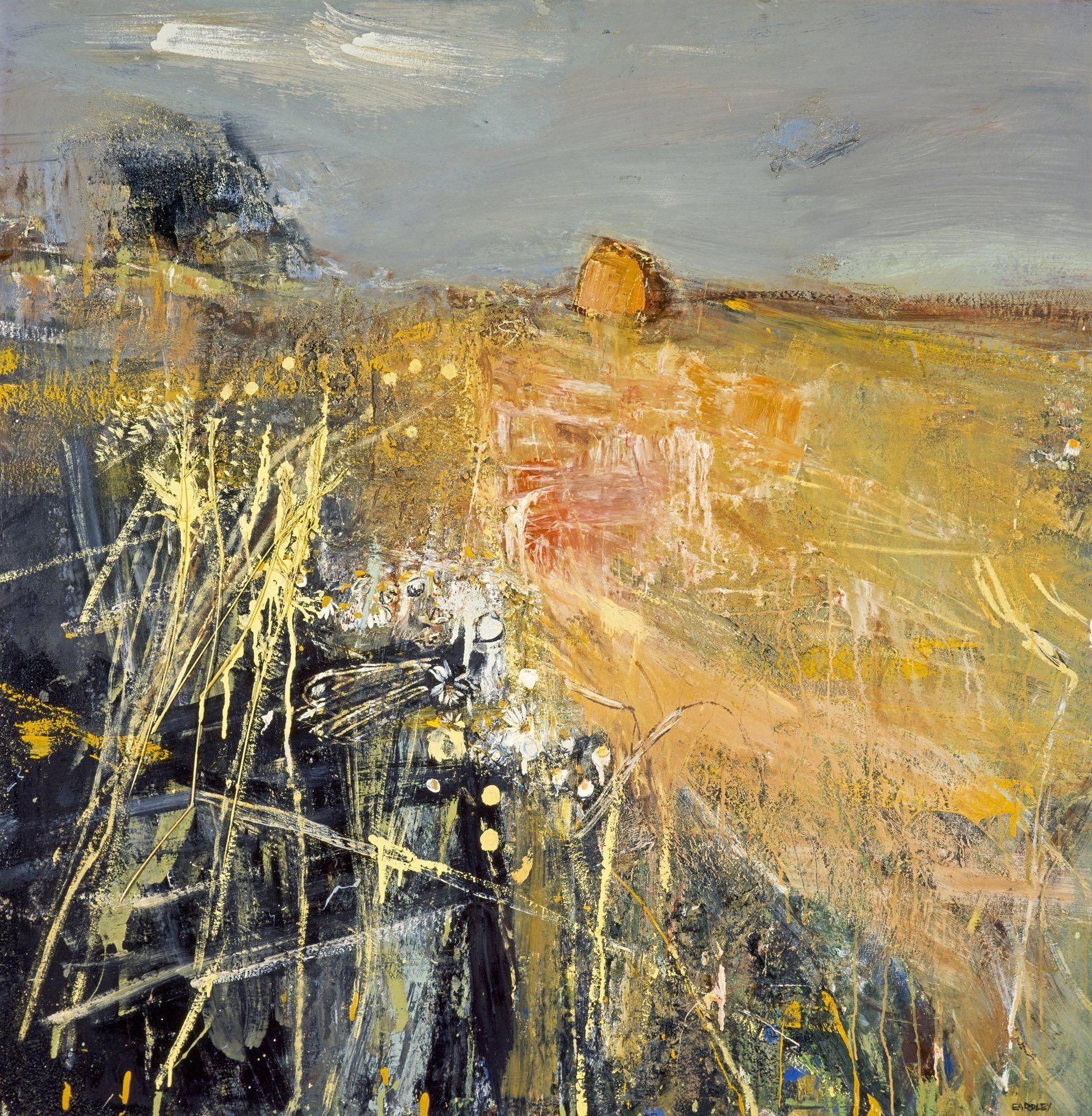
The painting was discovered in an English charity shop in the East Midlands in the summer of 2025 and had reportedly been missing for more than 60 years. Shop staff, spotting unusual marks on the back — including references such as ‘summer’, ‘Joan’ and ‘The Scottish Gallery’ — alerted specialists. The painting was identified as a likely Eardley and temporarily kept at a shop worker’s house until it could be safely collected and transferred by an art carrier to a gallery for further examination.
Description and provenance
Courtesy of the estate of Joan Eardley and The Scottish Gallery, the work is described as a muted, atmospheric landscape. It features a hazy grey sky with a glowing red-yellow sun positioned near the top of the composition. The piece was presented as a previously ‘long lost’ example of Eardley’s landscape work rather than her better-known urban portraits, adding interest to scholars and collectors.
Cleaning, exhibition and sale
After professional cleaning and authentication, the painting was exhibited at the British Art Fair in London in September 2025 before appearing at The Scottish Gallery in Edinburgh’s New Town in October. Following its public display, the work sold for £29,500, a sum that reflects both market appetite for rediscovered works and Eardley’s enduring reputation.
Conclusion: Significance and outlook
The rediscovery of ‘Summer Fields’ underscores how historically important works can surface in unexpected places and the role small charities play in cultural preservation. For collectors, institutions and the public, the find reinforces ongoing interest in mid-20th-century British artists. The painting’s cleaning, exhibition and sale may prompt renewed research into Eardley’s catalogue and encourage vigilance in charity shops and house clearances for other overlooked works.