

Tracey Emin and the Politics of Confessional Art
Introduction: Why Tracey Emin Matters
Tracey Emin is one of the most recognisable figures in contemporary British art. Rising to prominence in the 1990s, her work helped shape debates about autobiography, gender and the boundaries of art. Emin’s candid, often provocative approach—using textiles, neon, drawing, sculpture and installation—has made her central to discussions about how personal experience becomes public artwork and why that matters to audiences and institutions.
Main body: Key facts and milestones
Emergence and the Young British Artists
Emin came to public attention alongside the Young British Artists (YBAs). Her breakthrough works were explicitly autobiographical, blending confessional text with everyday objects. The poster piece that brought her wide recognition was My Bed (created 1998), an unmade bed surrounded by personal detritus that was shortlisted for the Turner Prize in 1999 and provoked intense media and public discussion about what constitutes art.
Notable works and materials
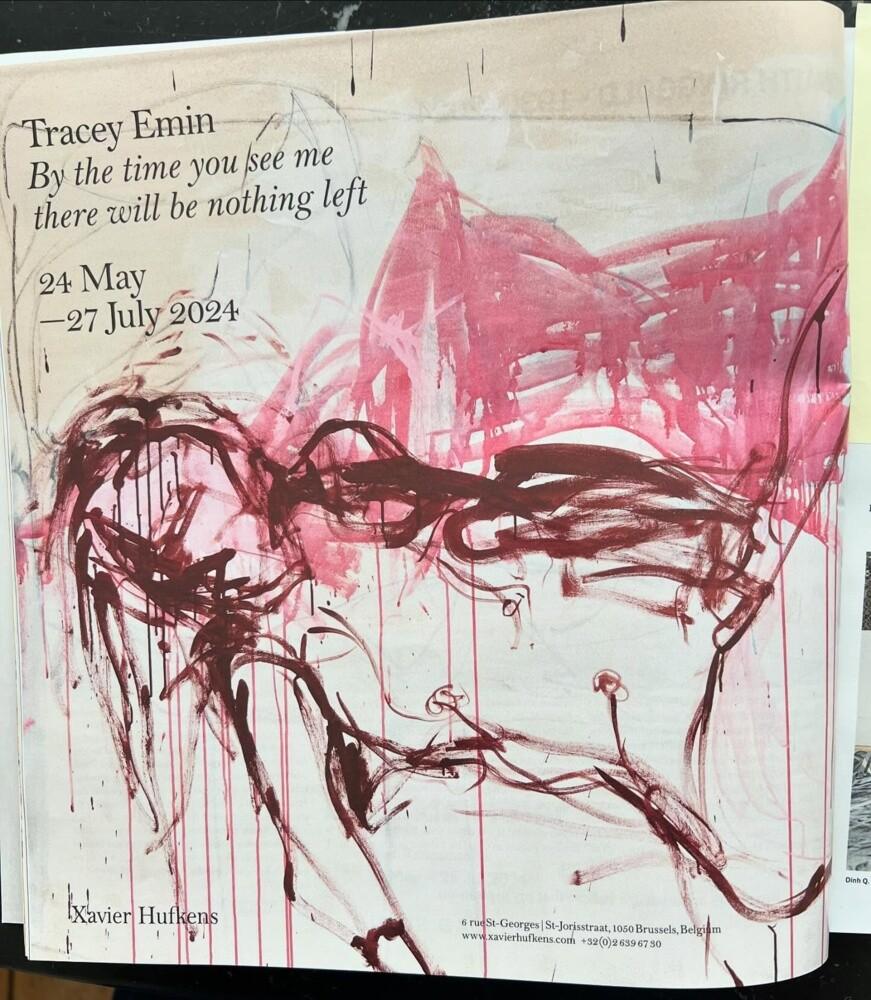
Across her career Emin has worked in a range of media. Her neon signs featuring blunt, handwritten statements, intimate appliqué tent pieces such as Everyone I Have Ever Slept With 1963–1995, delicate and raw drawings, and sculptural commissions have all become signature forms. The tent piece, later lost in the 2004 Momart warehouse fire that destroyed works by several artists, remains a pivotal moment in accounts of her early practice.
Public recognition and influence
Emin has exhibited internationally and been the subject of major museum shows. Her frank use of personal narrative has influenced a generation of artists who explore identity, trauma and memory in public-facing ways. Institutional responses to her work have ranged from acclaim to controversy, underscoring the power of her practice to generate public conversation.
Conclusion: Significance and outlook
Tracey Emin’s work is significant because it foregrounds lived experience as material for art, challenging viewers to engage with intimate subject matter. As museums and galleries continue to re-evaluate the role of autobiography and voice in contemporary practice, Emin’s oeuvre will remain a reference point. Expect her work to continue appearing in exhibitions and public commissions, and to inform ongoing debates about authorship, vulnerability and the public life of personal history.