

The Timeless Allure of the Ophelia Painting
Introduction
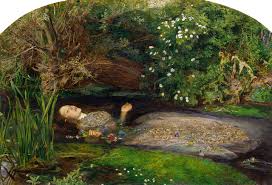
The painting of Ophelia, created by the British artist John Everett Millais in 1852, is a masterpiece that continues to captivate audiences with its profound beauty and tragedy. Inspired by William Shakespeare’s play “Hamlet,” in which Ophelia descends into madness and ultimately drowns, Millais’ work not only embodies the ethereal qualities of the character but also raises significant questions about mental health and the portrayal of women in the arts. Its relevance extends beyond mere aesthetics, prompting discussions about the cultural and historical context in which it was created.
Details of the Painting
Millais’ “Ophelia” showcases the character in a lush, verdant landscape, surrounded by flowers and water. The painting’s vibrant colours and intricate details — from the delicate leaves to the expressive facial features of Ophelia — highlight Millais’ technical skill and his affiliation with the Pre-Raphaelite Brotherhood, which sought to return to the detail, intense colours, and complex compositions of pre-Renaissance art. The artwork was greeted with mixed reviews upon its exhibition, yet it has since become recognised as a defining piece of Victorian art, admired for both its beauty and its melancholic subject matter.
Historical Context and Impact
Created during the Victorian era, “Ophelia” reflects the artistic and social concerns of its time, including the era’s often romanticised interpretations of death and madness, particularly regarding female characters. Millais’ portrayal of Ophelia has provoked various interpretations related to femininity and the societal expectations of women in the 19th century. The painting has inspired numerous adaptations in modern culture, from film to fashion, underscoring its lasting impact on both the art world and popular culture.
Modern Interpretations and Exhibitions
Today, the “Ophelia” painting is housed at the Tate Britain in London, where it remains one of the most popular attractions. Recent exhibitions and scholarly analyses focus on the themes of mental health and the role of women in both literature and art, expanding the discussion beyond the canvas. The image continues to resonate with contemporary audiences, challenging viewers to consider the intersection of beauty, tragedy, and the struggles of mental health.
Conclusion
The Ophelia painting by Millais remains a significant cultural artifact that invites both admiration and reflection. Its aesthetic appeal is matched by its ability to evoke complex themes that are still relevant today. As conversations around mental health continue to take centre stage in society, Millais’ portrayal of Ophelia serves as a reminder of the ongoing narrative surrounding women, art, and identity. The painting not only enhances our understanding of the past but also shapes our present and future perspectives on these enduring themes.