

Southbank Centre: A Pulse of London’s Arts and Culture
Introduction
The Southbank Centre is one of the United Kingdom’s most prominent cultural institutions, sitting on the South Bank of the River Thames in central London. Its importance lies in providing a concentrated programme of music, visual arts, performance and public events that serve both local communities and international visitors. As a major public arts complex, the centre plays a key role in the cultural life, economy and civic identity of the city.
Main body
Venues and programme
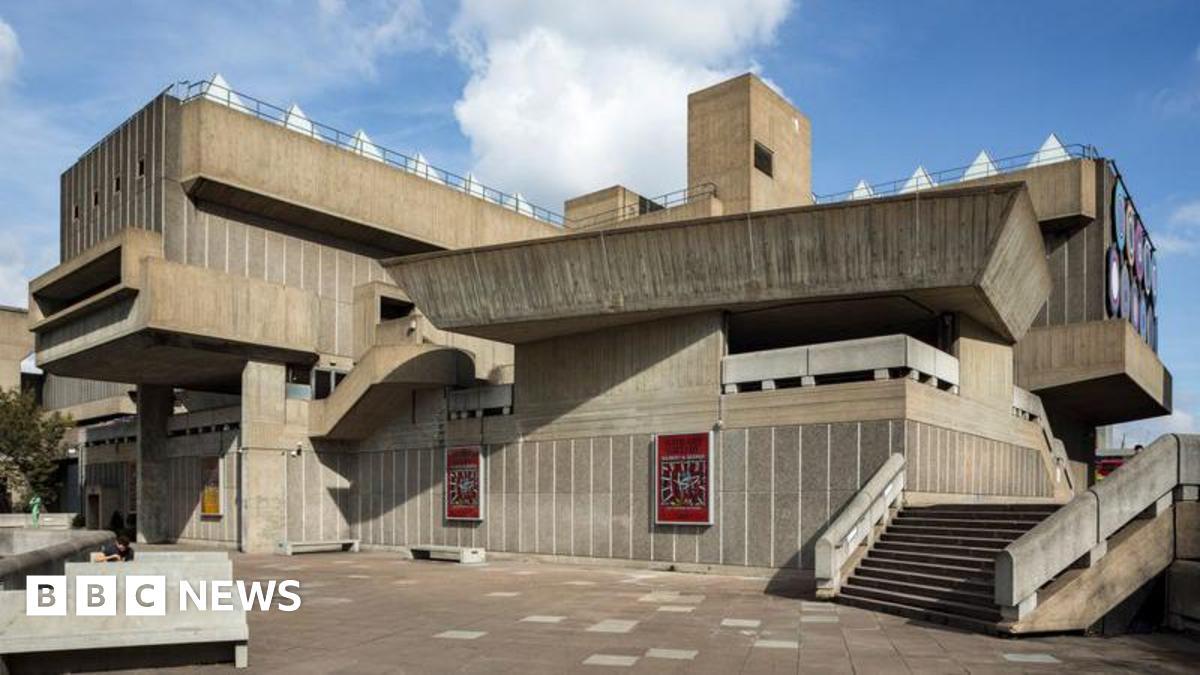
The Southbank Centre comprises several well-known venues including the Royal Festival Hall, the Queen Elizabeth Hall and the Hayward Gallery. Together these spaces present a diverse programme spanning classical and contemporary music, large-scale exhibitions, dance, spoken word and family events. The centre stages concerts, commissions and exhibitions by established and emerging artists, maintaining a broad artistic remit designed to appeal to varied audiences.
Public space and access
Beyond scheduled performances and exhibitions, the complex functions as a public realm along the Thames, with outdoor terraces and covered walkways that encourage informal gatherings and free cultural activity. The accessibility of the site, both physically and financially, is a central part of its mission: the centre aims to lower barriers to participation through a mix of free events, ticketed performances and community-focused programmes.
Community engagement and economic role
The Southbank Centre also operates education, learning and participation initiatives that reach schools, community groups and lifelong learners. These activities support local creative development and workforce skills while contributing to the wider visitor economy. The venue’s presence boosts nearby hospitality and retail businesses and anchors cultural tourism on the riverside.
Conclusion
As an arts complex and civic space, the Southbank Centre continues to shape London’s cultural offer. For readers, its significance lies in access to high-quality arts, opportunities for community involvement, and its contribution to the city’s cultural vitality. Looking ahead, the centre is likely to remain a focal point for new artistic commissions, inclusive public programming and the regeneration of London’s riverfront cultural quarter.