

Winter Solstice 2025: Everything You Need to Know About the Shortest Day of the Year
Introduction: The Astronomical Significance of the Shortest Day
As winter approaches, the winter solstice occurs at 10:03 a.m. EST (15:03 UTC) on Sunday, Dec. 21, 2025, marking a pivotal moment in Earth’s annual journey around the Sun. It marks the shortest day of the year and the first day of astronomical winter in the Northern Hemisphere, because Earth’s rotational axis is tilted by 23.5 degrees. This celestial event has captured human imagination for millennia, influencing cultures, traditions, and our understanding of the natural world.
For those living in the United Kingdom, the shortest day lasts 7 hours 49 minutes and 42 seconds in London. Understanding this phenomenon helps us appreciate the intricate relationship between our planet’s movement and the changing seasons that shape our daily lives.
Why the Winter Solstice Happens
On the December solstice, Earth’s northern axis is tipped away from the Sun, causing the fewest hours of daylight in the Northern Hemisphere. This occurs because of our planet’s axial tilt, which creates the seasonal variations we experience throughout the year. The term comes from the Latin words sol and sistere, meaning “Sun” and “to stand still”, describing how the Sun appears to pause in its southward journey across the sky before reversing direction.
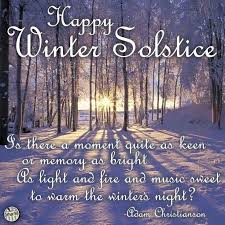
The winter solstice has long been celebrated as the rebirth of the sun in the Northern Hemisphere because it is when the sun is at its lowest in the sky, and in its wake, the days begin to get longer.
Cultural Celebrations and Ancient Monuments
Throughout history, civilizations have marked this astronomical turning point with festivals and ceremonies. Stonehenge holds the UK’s most famous winter solstice celebration. Every year, the ancient monument hosts a winter solstice ceremony, with crowd gathering in the early hours of the morning to see the sunrise over its stones. For 2025, Stonehenge will open at 5.15am, with sunrise taking place at around 8.09am.
Famous ancient monuments (Newgrange, Stonehenge, and Cahokia Woodhenge) are aligned with the sunrise or sunset on the winter solstice, demonstrating the importance our ancestors placed on this celestial event.
Looking Ahead: The Return of Light
The winter solstice represents both an ending and a beginning. The good news for anyone tired of shorter days is that the winter solstice marks the turning point. After Dec. 21, the days will slowly start to lengthen again. The change is small at first, just a few seconds each day, but it’s the first step back toward longer evenings as winter unfolds.
For readers in the UK and across the Northern Hemisphere, this astronomical event serves as a reminder of nature’s cyclical patterns and offers hope for brighter days ahead. Whether you choose to observe the solstice at ancient monuments, gather with loved ones, or simply appreciate the moment from home, the shortest day of the year connects us to both our ancestors and the cosmos itself.