

Comet ATLAS 3I: Interstellar Visitor Captivates Scientists and Public Alike
Historic Interstellar Encounter
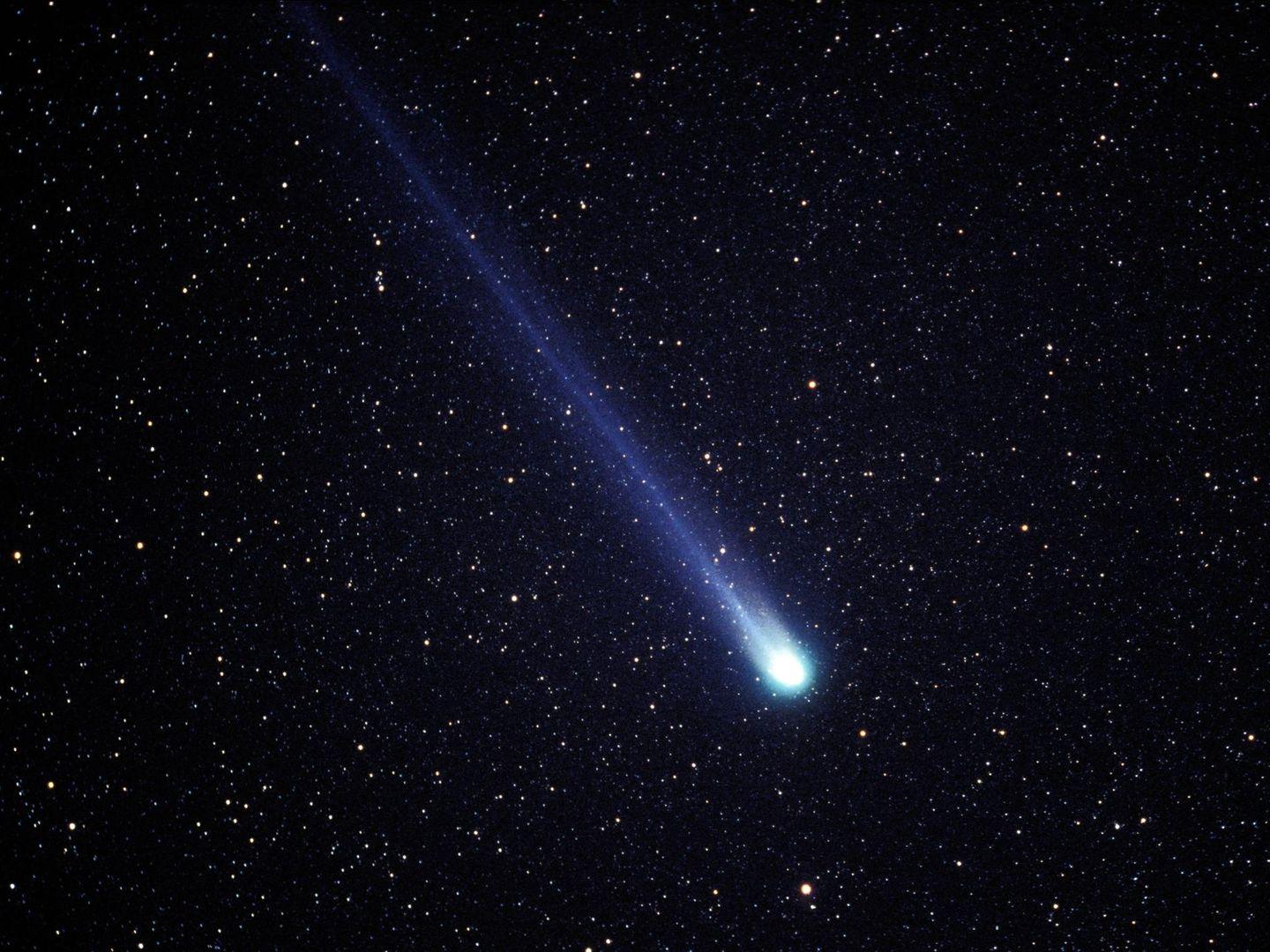
Comet 3I/ATLAS was first discovered on 1 July 2025 by NASA’s Asteroid Terrestrial-impact Last Alert System (ATLAS), marking a momentous occasion for astronomy. Comet 3I/ATLAS is just the third known object to visit us from outside our solar system, placing it in an elite category of interstellar wanderers that have captured humanity’s imagination.
Interstellar comet 3I/ATLAS reached its closest point to Earth on December 19, passing at a safe distance. The interstellar comet came within about 168 million miles (270 million kilometers) of our planet, providing astronomers with an unprecedented opportunity to study a visitor from beyond our solar system.
Scientific Significance and Research Efforts
The scientific community has mobilised intensive observation campaigns to study this rare visitor. Having likely spent billions of years in interstellar space, 3I/ATLAS started to warm up as it approached our Sun, creating a race against time for astronomers analyzing the comet’s chemical makeup as possible clues about the comet’s interstellar origin began to turn into gas and disappear into space.
3I/ATLAS may be as much as 7 billion years old, making it potentially older than our own solar system. Multiple observatories, including the Hubble Space Telescope, James Webb Space Telescope, and ground-based facilities, have captured remarkable images of the comet during its journey.
Public Fascination and Debate
This year, comet 3I/ATLAS broke into our solar system, but also the zeitgeist. The comet sparked widespread public interest, with some early speculation about its origins. Scientists have sought out and detected radio emissions from interstellar comet 3I/ATLAS, all but confirming that it has natural origins, putting to rest exotic theories.
The interstellar invader has now made its closest approach to the sun and Earth and is heading back out toward the outer solar system. As 3I/ATLAS departs, it leaves behind valuable scientific data and renewed enthusiasm for studying these rare cosmic visitors, reminding us of the vast mysteries that lie beyond our solar neighbourhood.