

Full Moon Snow Moon Lights Up 1 February 2026
Introduction
The full moon known as the Snow Moon marks February’s lunar phase and carries seasonal and cultural significance. Named for historically abundant winter snowfall across the Northern Hemisphere, the Snow Moon is a familiar seasonal milestone for skywatchers and communities. For 2026, the event provides a clear date and peak time that will be of interest to photographers, amateur astronomers and those who follow traditional moon names.
Main body
What the Snow Moon is
The Snow Moon is the full moon that occurs in February. Time and Date notes the name’s origin, linking it to heavy snowfalls typical of midwinter in the Northern Hemisphere. Some North American tribes also referred to this February full moon as the “Hungry Moon,” reflecting seasonal conditions and food scarcity at that time of year.
Timing and appearance in 2026
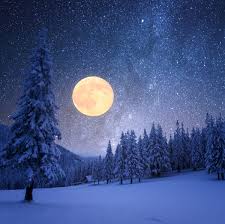
According to recent reports, the Snow Moon for 2026 will shine at its brightest on Sunday, 1 February 2026. Sources give the peak as 3:09 PM MST and correspondingly 5:09 PM EST, reflecting the same moment expressed in different time zones. An image caption on social media described the Full Snow Moon in Leo rising over a winter landscape on 1 February, emphasising the moon’s conspicuous presence against late‑winter scenery.
Cultural and observational notes
The Snow Moon’s traditional naming underlines how natural cycles and weather shaped seasonal markers and community calendars. The alternate name, Hungry Moon, points to the lived experience of Indigenous peoples and their close relationship with seasonal change. Observers in 2026 noted the moon’s placement in the constellation Leo in the social post describing the event, a detail that may interest those tracking lunar position against the starry background.
Conclusion
The full moon Snow Moon on 1 February 2026 offers a clear, dateable event linking astronomical timing with cultural naming traditions. With a recorded peak time of 3:09 PM MST (5:09 PM EST), the 2026 Snow Moon is a reminder of winter’s hold in the Northern Hemisphere and of historical naming practices such as the Hungry Moon. The occurrence will likely attract interest from casual observers and those documenting seasonal sky events; local conditions and timing will determine actual visibility for individuals.