

Geminid Meteor Shower Tonight: Year’s Best Celestial Display Illuminates UK Skies
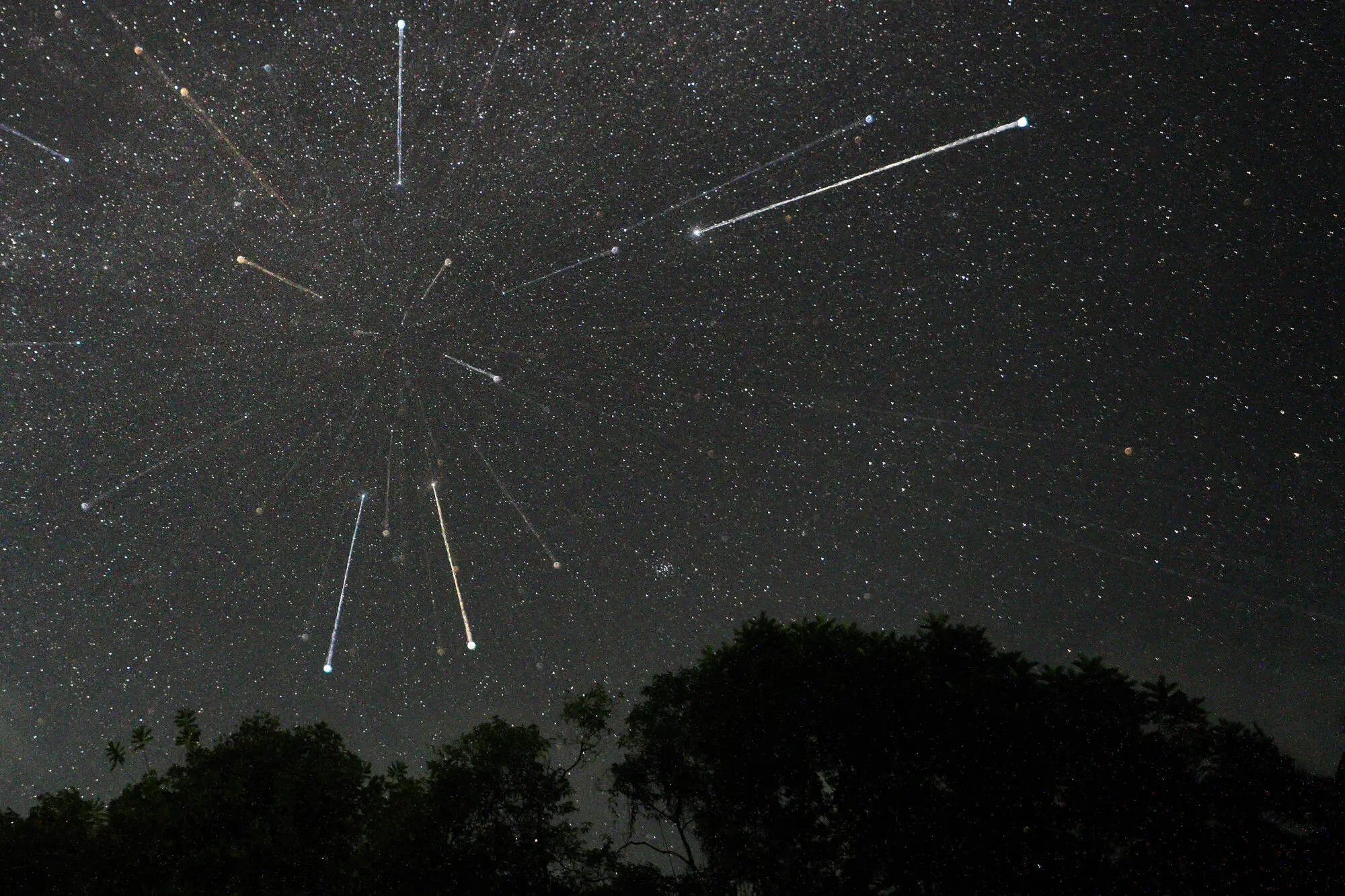
Spectacular Geminid Meteor Shower Reaches Peak Activity
Sky enthusiasts across the United Kingdom are in for a celestial treat tonight as the Geminid meteor shower reaches its peak activity on the night of 13-14 December 2025. Regarded by amateurs and experts as one of the year’s best meteor showers, the Geminids are among the most powerful and reliable spectacles of its kind.
Over 150 meteors per hour could be visible during peak hours, though observers could realistically expect to see between 60 and 120 shooting stars per hour under pristine conditions. This remarkable display originates from asteroid 3200 Phaethon, making the Geminids unique amongst major meteor showers.
Optimal Viewing Conditions for British Stargazers
This year’s viewing conditions are particularly favourable. With the moon at 34 per cent full, many suburban stargazers could see as many as 20 meteors per hour under clear weather conditions. The best time to watch is after midnight through the early hours before dawn, when rates are typically highest.
The best viewing starts around 10 PM, with the waning crescent moon not rising until 2 AM, providing four moonlight-free hours for optimal meteor spotting. The Geminids are known for luminous, yellow-tinged streaks and especially vivid meteors known as fireballs.
Where to Look and What to Expect
The radiant point is located in the constellation Gemini, near the star Castor. However, the meteor shower is visible from virtually any direction in the sky, so viewers needn’t focus exclusively on one area.
In 2025, the bright planet Jupiter is in the sky all night, near the shower’s radiant point, making it easier to locate the general area from which meteors appear to originate.
Significance for Astronomy Enthusiasts
The Geminid meteor shower represents a highlight in the astronomical calendar, offering accessible celestial entertainment for both experienced astronomers and casual observers. The Geminids are usually the strongest meteor shower of the year and meteor enthusiasts are certain to circle December 13 and 14 on their calendars.
For those unable to view tonight’s peak, the Geminids remain active until Wednesday, 17 December 2025, providing additional opportunities to witness this remarkable natural phenomenon. British sky-watchers are encouraged to find dark locations away from urban light pollution for the best experience of this annual celestial spectacular.