

James Webb Space Telescope: Latest Discoveries and Impact
Introduction: Why the James Webb Space Telescope matters
The James Webb Space Telescope is a major advance in observational astronomy, designed to see deeper into the infrared universe than previous space telescopes. Its capabilities are relevant to scientists and the public because they help answer fundamental questions about the origins of stars, galaxies and planetary atmospheres. Continued results from the telescope are reshaping our understanding of the early Universe and informing future research priorities.
Main body: Mission highlights and recent findings
Mission design and objectives
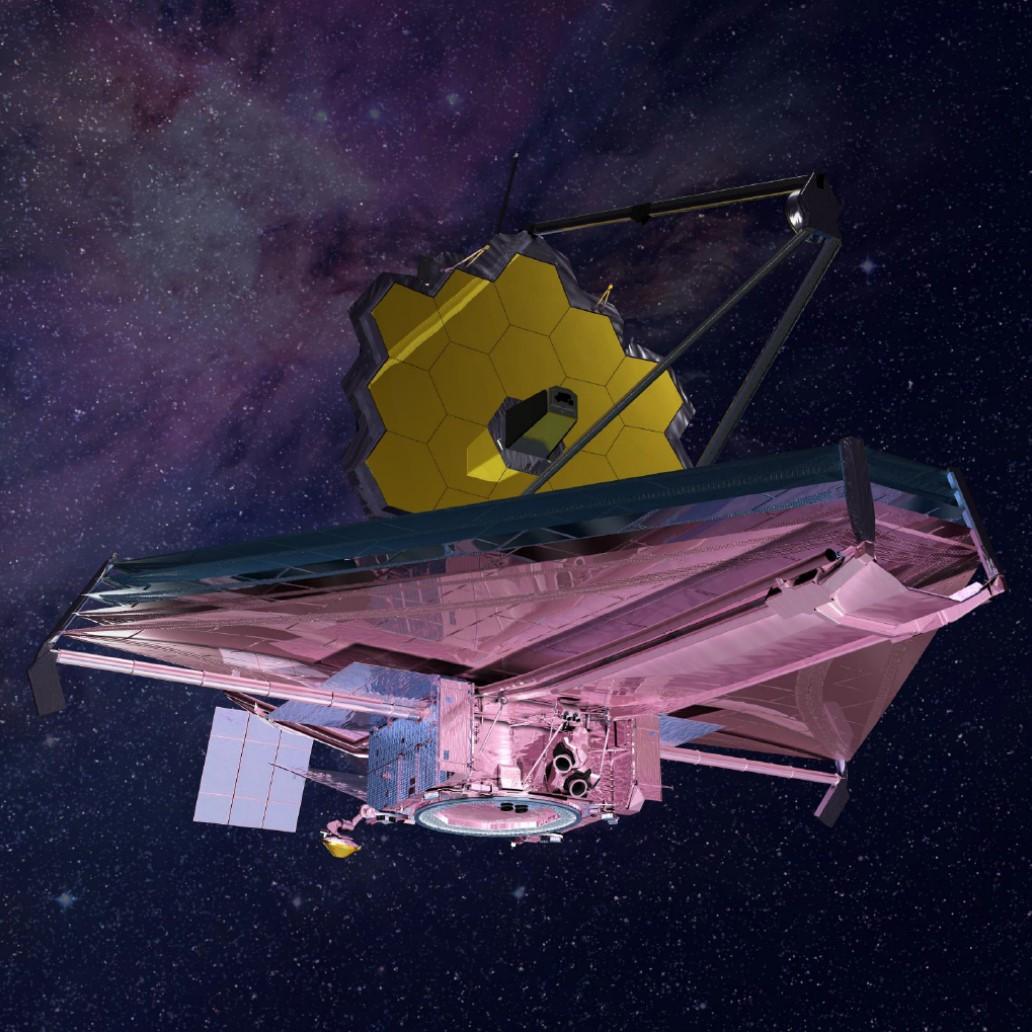
Operated jointly by NASA, the European Space Agency and the Canadian Space Agency, the telescope carries a large segmented primary mirror and a suite of infrared instruments. Positioned near the second Sun–Earth Lagrange point (L2), it performs deep imaging and spectroscopy to probe faint, distant objects that are often obscured at optical wavelengths.
Key observations and scientific impact
Since becoming fully operational, the telescope has delivered high-resolution images and spectra that reveal galaxies in the early Universe, complex structures within stellar nurseries, and chemical signatures in the atmospheres of exoplanets. Deep-field programmes have identified galaxies that formed within the first few hundred million years after the Big Bang, while infrared viewings of nearby star-forming regions show dust-enshrouded processes that were previously hidden.
Exoplanets and planetary science
Using sensitive spectrographs, the telescope has begun to characterise the atmospheres of transiting exoplanets, detecting molecules and temperature structures that inform models of planetary composition and habitability. It has also contributed to Solar System science by providing detailed observations of planets, moons and small bodies in infrared bands that complement ground-based facilities.
Conclusion: What comes next and why readers should care
The James Webb Space Telescope continues to produce data that will be analysed for years, refining models of cosmic history and planet formation. For the public, its images and findings expand our picture of the cosmos and inspire interest in science and technology. For researchers, ongoing observations and public data releases promise further discoveries, stronger collaboration between observatories, and a clearer roadmap for future missions.