

Meteor Showers Light Up December 2025: A Celestial Spectacular
The Importance of Meteor Showers
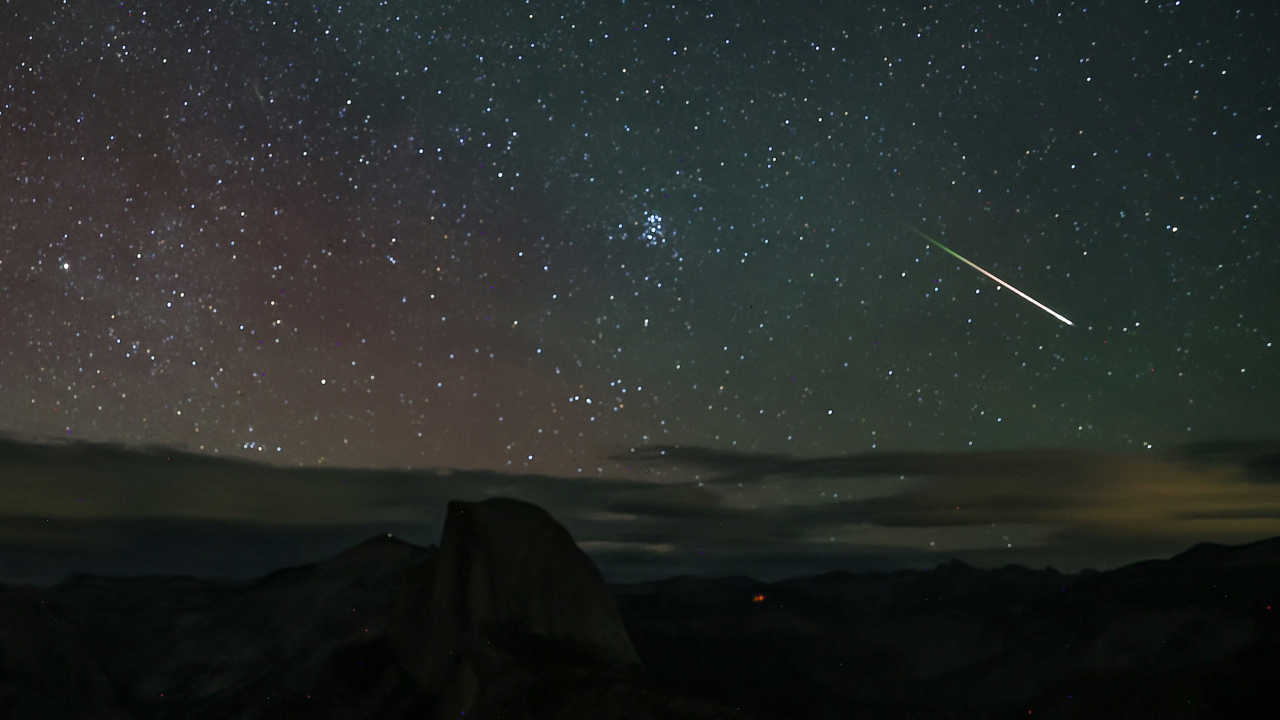
Meteor showers represent one of nature’s most captivating celestial phenomena, offering skywatchers breathtaking displays of shooting stars streaking across the night sky. These events occur when cosmic debris called meteoroids enter Earth’s atmosphere at extremely high speeds on parallel trajectories, creating brilliant flashes of light. For astronomers and the general public alike, meteor showers provide accessible opportunities to witness cosmic events without requiring expensive equipment—just a clear sky and patience.
December 2025’s Outstanding Meteor Displays
December 2025 offered spectacular meteor viewing opportunities. The Geminids are usually the strongest meteor shower of the year, and the Geminid meteor shower peaked Dec. 13–14 with ideal dark skies. The International Meteor Organization forecasted a zenithal hourly rate of 150 meteors, making it the year’s premier astronomical event. Shards of the solar system asteroid (3200) Phaethon collided with Earth’s atmosphere, forging fiery paths that illuminated the December night sky.
Following closely behind, the Ursid meteor shower, the final celestial event of the year, is active during the brief window of Dec. 17 to Dec. 26, with its activity set to peak on Dec. 21-22. Sky-gazers in some parts of the world could spot up to 10 shooting stars streak across the sky per hour as Earth passes through the debris trail of a comet. The shower coincides with a thin crescent moon, creating dark skies ideal for meteor viewing.
Viewing Conditions and Future Prospects
The Geminids provide good activity prior to midnight as the constellation of Gemini is well placed from 22:00 onward, making them particularly accessible for evening observers. The meteor shower is best viewed with the naked eye, without telescopes or binoculars, as meteors can streak across large portions of the sky. Looking ahead, meteor enthusiasts have much to anticipate in 2026, with major showers including the Perseids and Quadrantids promising excellent viewing opportunities. These cosmic events continue to remind us of our planet’s dynamic position within the solar system and offer moments of wonder in an increasingly urbanised world.