

Northern Lights Set to Dazzle in 2026: Your Last Chance to See Peak Aurora Displays This Decade
Why 2026 Is a Critical Year for Northern Lights Enthusiasts
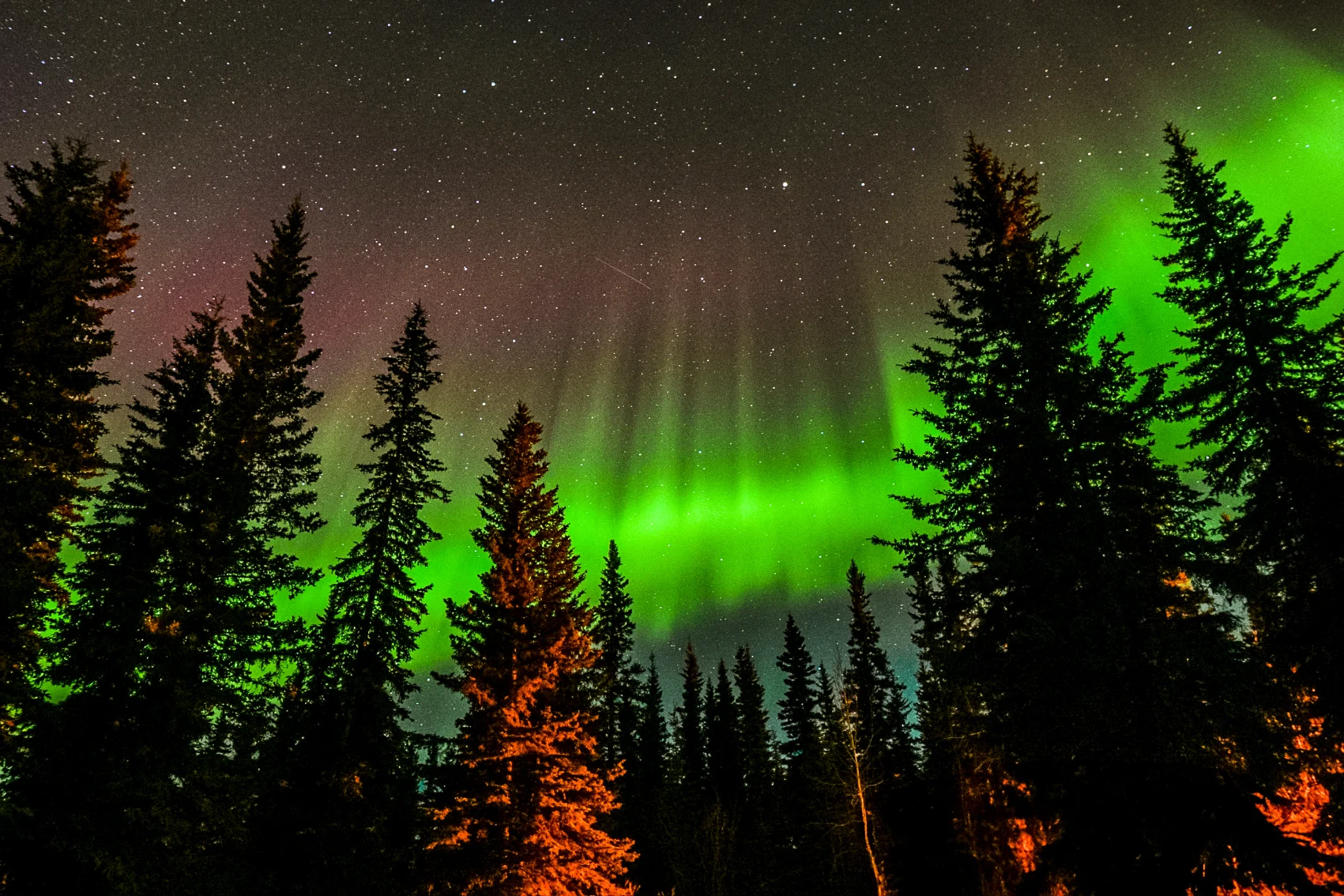
This coming winter might be your last chance to see the Northern Lights at their peak for over a decade. Following the solar maximum that occurred in 2024-2025, scientists predict that 2026 could deliver some of the most frequent and intense Northern Lights displays. The phenomenon, known scientifically as aurora borealis, occurs when charged particles from solar storms collide with Earth’s atmosphere, creating spectacular curtains of colour across polar skies.
Scientists predict it will peak between 2024 and 2026, possibly the most intense in decades. However, after that, solar activity will decline, and aurora displays will become weaker and less frequent. This makes 2026 a particularly important year for anyone hoping to witness this natural wonder at its most magnificent.
Understanding the Science Behind the 2026 Aurora Surge
The sun follows an 11-year cycle of rising and falling activity, known as the solar cycle. At its peak – the solar maximum – the sun releases more solar flares and charged particles, which collide with Earth’s atmosphere to create stronger, more frequent Northern Lights activity. Remarkably, the years following solar maximum are often the most active and unpredictable for auroras.
Recent activity has already demonstrated the potential for spectacular displays. 2025 saw the third-strongest geomagnetic storm of the solar cycle so far, reaching a G4 (severe) level on Nov. 11. Experts are claiming that the solar storms will stick around at high levels through 2026, even as the Sun starts its slow slide toward the next quiet period.
Prime Viewing Locations and Optimal Timing
For those planning an aurora-viewing expedition, location and timing are crucial. The best time to see the aurora borealis is during the long, dark nights of the Northern Hemisphere Winter. The best viewing season typically runs from late September through late March, when nights are longest.
Top destinations include Iceland, Norway, Finland, Alaska, and northern Canada. Around the equinoxes in March and September, geomagnetic activity ramps up, making the Northern Lights easier to spot. At these times, Earth’s orientation allows solar wind to interact more directly with the magnetosphere, enhancing geomagnetic storms that fuel the auroras.
What This Means for Aurora Seekers
The combination of peak solar activity and optimal viewing conditions makes 2026 a once-in-a-decade opportunity. For travellers and nature enthusiasts, this represents a unique window to witness one of Earth’s most awe-inspiring natural phenomena at its most vivid. So if it’s on your travel bucket list, 2026 is your best chance to see the Northern Lights (unless you want to wait until the mid-2030s!).
With aurora displays already lighting up skies across northern regions in early 2026, the stage is set for an extraordinary year of celestial displays. Whether you’re an experienced aurora chaser or a first-time viewer, this year offers unparalleled opportunities to witness the dancing lights that have captivated humanity for millennia.