

Quadrantid Meteor Shower Peaks Tonight: Your Guide to the First Celestial Display of 2026
Introduction: A Brilliant Start to 2026’s Celestial Calendar
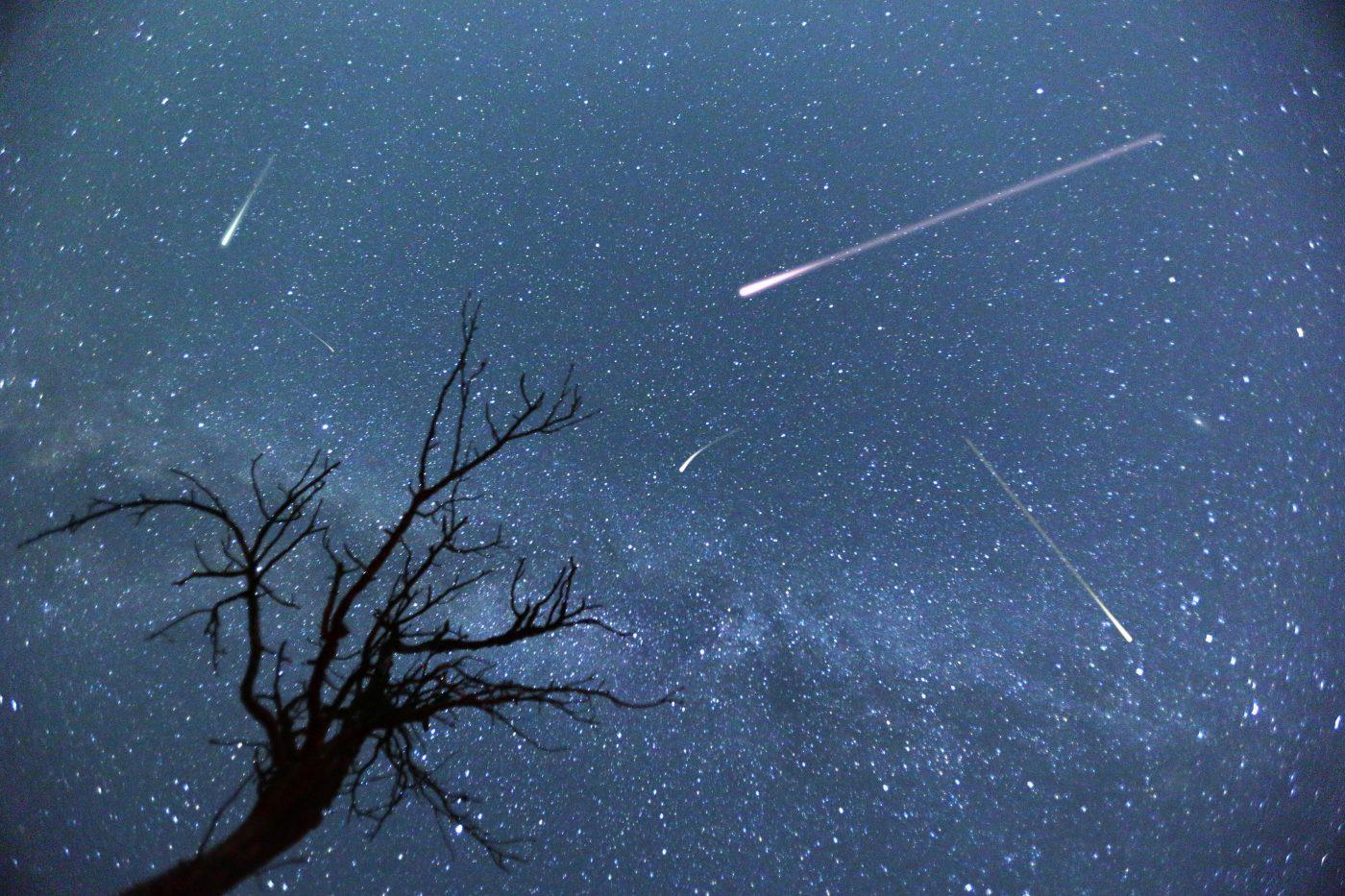
The first major opportunity to spot shooting stars and bright fireballs in 2026 arrives overnight tonight with the peak of the Quadrantid meteor shower, marking an exciting beginning to the year’s astronomical events. The first meteor shower of 2026 is known for its bright fireballs and bolides—large meteors that explode in the atmosphere in dramatic fashion, sometimes raining meteorites onto Earth below. This annual celestial event offers stargazers a unique chance to witness nature’s own fireworks display, though viewing conditions this year present both challenges and opportunities.
Peak Viewing Details and Moon Interference
This year the Quadrantids will peak on the night of January 3 through the early hours of January 4. Best viewed from the Northern Hemisphere, the ideal time to get outside and try to spot some of these luminous fireballs is in the predawn hours on January 4, according to NASA. However, the wolf moon, the first full moon of the year, will ring in 2026, gracing the sky this weekend, but the lunar event will make the Quadrantid meteor shower a bit harder to spot.
NASA predicts an hourly rate of just 10 meteors per hour on the night of the peak, significantly reduced from the potential of up to 200 meteors under ideal dark-sky conditions. Luckily, the Quadrantids tend to be bright. They often produce really bright meteors known as fireballs. You might see some bright Quadrantids, even in the light of the full moon.
What Makes the Quadrantids Special
The Quadrantid meteor shower is one of a few each year with an exceedingly narrow peak, in this case lasting only about 6 hours. Unlike other meteor showers, which tend to be caused by debris falling from comets, the Quadrantids are produced by an asteroid, 2003 EH1. The meteors appear to radiate from the constellation Boötes, also known as the herdsman, in a region once called Quadrans Muralis.
Viewing Tips and Future Meteor Showers
To maximise your chances of spotting meteors tonight, move as far as you safely can from bright light sources, such as street lamps and buildings. Give your eyes 30 minutes to adjust to the dark, and look toward the northern sky. Block out the moonlight to catch the brighter meteors.
If you miss tonight’s display, sky-gazers will have to wait until the Lyrid meteor shower in April. However, around August 12-13, the Perseid meteor shower is expected to peak, and conditions should be ideal for viewing, with dark skies thanks to a new moon, according to EarthSky.
Conclusion: A Celestial Event Worth Pursuing
While the full Wolf Moon presents viewing challenges, the Quadrantid meteor shower remains a significant astronomical event to kickstart 2026. The shower’s reputation for producing spectacular fireballs means that even with reduced numbers, patient observers may be rewarded with memorable sightings of these brilliant meteors streaking across the night sky. This celestial display reminds us of our connection to the cosmos and offers a perfect opportunity to begin the year by looking up in wonder at the universe around us.