

Snow Moon Full Moon: February 2026 Peak and 2027 Date
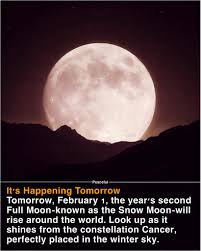
Why the Snow Moon full moon matters
The Snow Moon full moon is the traditional name for February’s full moon in the Northern Hemisphere. Its importance lies in both its seasonal symbolism and cultural history: the name reflects typically heavy winter snowfall, and some North American tribes historically called it the “Hungry Moon” to mark lean winter months. Observing the Snow Moon connects viewers to long-standing natural cycles and regional naming traditions.
Main details and dates
Peak illumination in 2026
According to Time and Date and reporting compiled from astronomical trackers, the Snow Moon reached its peak illumination for 2026 on Sunday, 1 February 2026 at 5:09 p.m. EST. That moment represents the exact peak of the full moon phase when the Moon appears fullest from Earth.
Traditional name and future occurrence
Star Walk and other astronomy resources note that “Snow Moon” is a traditional designation for February’s full moon, used across much of the Northern Hemisphere. The next full Snow Moon after 2026 is scheduled for 20 February 2027 at 23:23 GMT, giving observers another opportunity to view this winter lunar milestone.
What observers should know
Observers who wish to view the Snow Moon should check local timings and weather conditions; the exact moment of peak illumination is a global instant but will translate to different local times. Clear skies and minimal light pollution will provide the best visual experience. The Snow Moon’s appearance — a bright, round lunar disc — is the same astronomical phenomenon as any full moon, but its February timing and traditional names link it to winter conditions and cultural practices.
Conclusion and significance
The Snow Moon full moon is a useful marker of seasonal change and cultural heritage. With the 2026 peak logged on 1 February at 5:09 p.m. EST and the next occurrence on 20 February 2027 at 23:23 GMT, skywatchers have clear dates to plan observation. Whether appreciated for its brightness, its place in folklore, or simply as a reminder of the rhythms of the natural world, the Snow Moon remains a notable event in the lunar calendar.