

Today’s Moon Phase: Understanding the Waxing Gibbous Sky
Why Moon Phases Matter
The moon has captivated humanity for millennia, serving as a celestial timekeeper and cultural touchstone. The cycle repeats about once a month (every 29.5 days), making moon phases an accessible way to connect with the rhythms of our solar system. From influencing tides to guiding ancient calendars, understanding the moon’s current phase helps us appreciate our place in the cosmos and plan activities from stargazing to photography.
Today’s Moon Phase: Waxing Gibbous
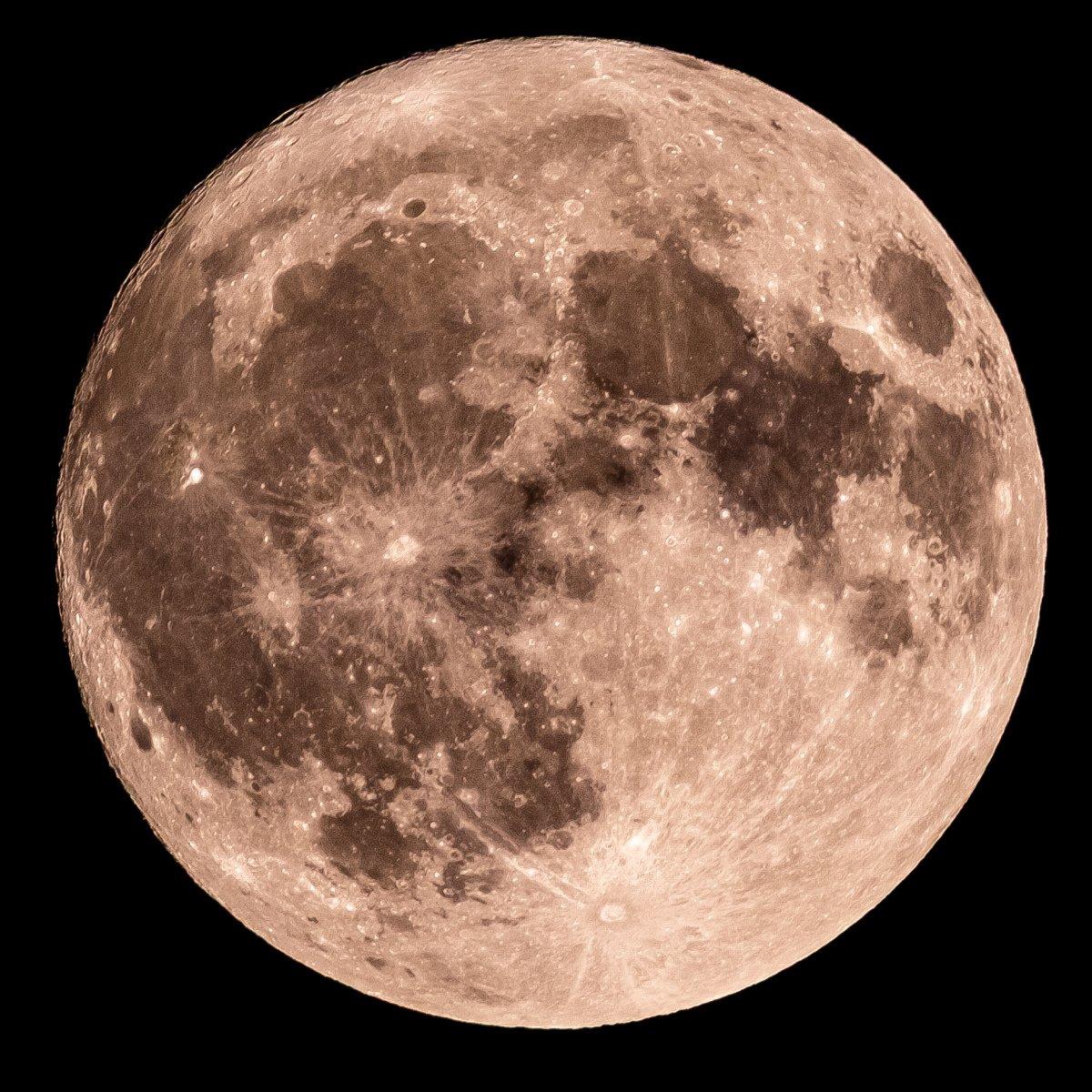
The current moon phase for January 2nd, 2026 is the Waxing Gibbous phase. On this day, the moon is 13.44 days old and 99.26% illuminated, meaning it appears nearly full in the night sky. The Moon is in its Waxing Gibbous phase during the week following the First Quarter, as it progresses towards the Full Moon. This spectacular phase offers excellent visibility for lunar observation, with the moon’s surface features clearly visible through binoculars or telescopes.
Understanding the Lunar Cycle
The eight lunar phases are, in order: new Moon, waxing crescent, first quarter, waxing gibbous, full Moon, waning gibbous, third quarter, and waning crescent. The Sun always illuminates half of the Moon while the other half remains dark, but how much we are able to see of that illuminated half changes as the Moon travels through its orbit. During the Waxing Gibbous phase, the Moon typically rises in the mid to late afternoon and is visible for much of the evening and into the late night, setting after midnight.
What to Expect in Coming Days
The moon is rapidly approaching its Full Moon phase. Next Full Moon is the Wolf Moon of January 2026 after 1 day on 3 January 2026 at 10:03. This proximity to the Full Moon means exceptionally bright moonlight will illuminate the night sky, creating stunning viewing opportunities but potentially obscuring fainter stars and celestial objects. Sky watchers should take advantage of this phase to observe lunar features along the terminator—the line between light and shadow—where elongated shadows create dramatic surface details.
Practical Significance for Observers
For astronomy enthusiasts, photographers, and nature lovers, tracking the moon phase today offers practical benefits. The nearly full moon provides ample natural light for evening activities, though light from the Moon can be very bright which causes faint aurora to be barely visible. Whether you’re planning a moonlit walk, photographing the lunar surface, or simply appreciating the night sky, understanding today’s Waxing Gibbous phase enhances your connection to Earth’s celestial companion as it continues its eternal dance around our planet.