

Understanding Today’s Moon Phase: The December 2025 Cold Supermoon
Introduction: Why Today’s Moon Phase Matters
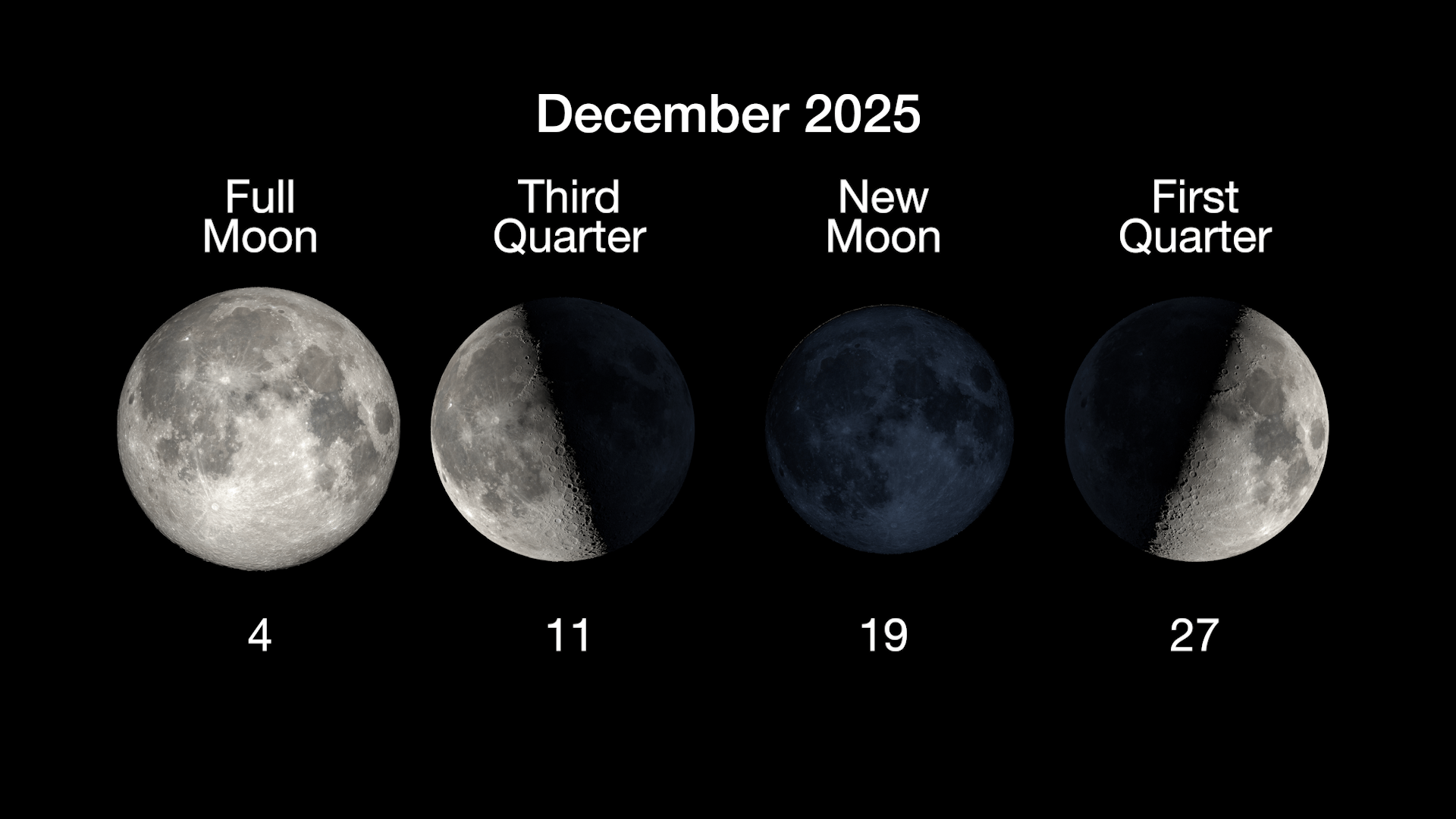
Understanding the moon phase today is more than just casual stargazing—it connects us to ancient traditions, influences natural phenomena like tides, and provides valuable information for astronomers and enthusiasts alike. Today, December 4, 2025, the moon is 14 days old and is in the Full Moon phase of its lunar cycle. This particular full moon holds special significance as it marks the final supermoon of 2025, known as the Cold Moon.
The December Cold Supermoon: A Celestial Spectacle
The next Full Moon is the December Cold Moon, which occurs at 6:14 p.m. on Thursday, Dec. 4, 2025. It is also a Super Moon. What makes this moon phase particularly remarkable is its proximity to Earth. The Moon reaches perigee, the closest point to Earth in its orbit, at 6:07 A.M. EST, when it stands 221,806 miles (356,962 kilometers) away. This close approach creates a larger and brighter appearance in the night sky, making it an ideal time for lunar observation and photography.
Key Details About Today’s Full Moon
The moon currently has around 100% illumination from the sun. The moon will remain visible throughout the night, providing excellent viewing opportunities for sky watchers across the globe. Today’s moon phase is the full moon in Gemini, an air sign associated with intelligence and curiosity. This astrological positioning adds cultural significance for those who follow lunar astrology.
The full moon phase is the fifth of eight moon phases of the lunar cycle. During this phase, the Sun, Earth, and Moon align in a specific configuration, with Earth positioned between the Sun and Moon, allowing the Sun’s light to fully illuminate the side of the Moon facing Earth.
Significance and Impact for Observers
The Cold Supermoon marks the conclusion of 2025’s supermoon series, offering one final opportunity this year to witness the Moon at its most impressive size and brightness. For photographers and astronomy enthusiasts, tonight presents exceptional conditions for capturing stunning lunar images. The full moon also plays a practical role in nature, as it influences ocean tides more significantly than other phases, creating what scientists call “spring tides” due to the combined gravitational effects of the Sun and Moon.
Whether you’re interested in astronomy, photography, astrology, or simply appreciating natural beauty, today’s moon phase offers something special. The Cold Supermoon serves as a reminder of our connection to celestial cycles that have guided humanity for millennia, marking the passage of seasons and inspiring wonder across cultures worldwide.