

Ursid Meteor Shower Peaks Tonight: A Yuletide Celestial Display
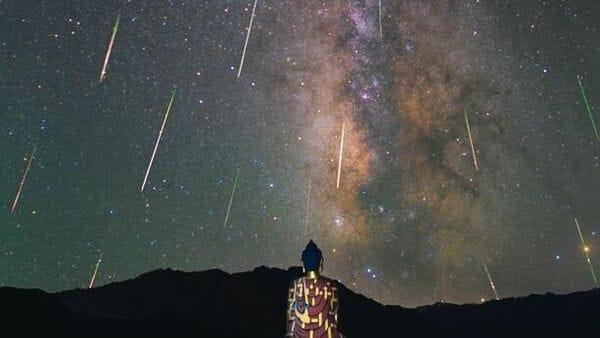
The Year’s Final Meteor Shower Arrives
As the festive season unfolds, skywatchers have a special astronomical treat to enjoy. The last major meteor shower of the year, known as the Ursids, peaks soon, bringing glowing streaks to nighttime and early morning skies. The 2025 Ursid meteor shower peaks on the night between December 21 and December 22.
What to Expect from the Ursids
While the Ursids may not be as spectacular as other meteor showers, they remain worth observing. The Ursids are expected to produce up to 10 meteors per hour at a dark site, though viewers sometimes see bursts of up to 25. The Ursids hail from a comet called 8P/Tuttle, which sheds debris as it orbits the sun, creating the stunning display we witness from Earth.
Meteors will appear to come from the area of the constellation Ursa Minor, which will remain above the horizon the entire night. The Ursids will be limited almost entirely to viewers in the Northern Hemisphere.
Perfect Viewing Conditions This Year
2025 presents an excellent opportunity for Ursid observers. A crescent Moon will hardly affect visibility around the shower’s peak this year. The solstice marks the longest night of the year, and this year coincides with a thin crescent moon, which will create dark skies ideal for meteor viewing.
How to Watch the Show
No special equipment is needed to view a meteor shower. The best way to watch a meteor shower is from a dark sky site, so it helps to get away from city lights as much as you can. Bundle up warmly and give your eyes time to adjust to the darkness for the best experience.
Why the Ursids Matter
The Ursids are often overlooked since they fall during the holiday season. However, this modest shower provides a final opportunity to witness celestial fireworks before the new year arrives, making it a meaningful way to connect with the cosmos during the winter solstice—the longest night of 2025.