

Wolf Supermoon Graces Tonight’s Sky as First Full Moon of 2026
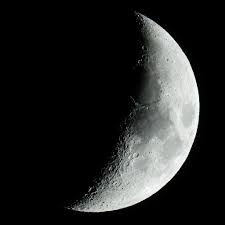
The Spectacular Wolf Supermoon Arrives
Sky watchers across the United Kingdom and worldwide are treated to a breathtaking celestial display tonight as the Wolf Supermoon peaks on January 3, 2026, appearing larger and brighter as the year’s first full moon due to its close proximity to Earth. The Wolf Moon will be at its fullest at 5:02 a.m. EST and best seen rising in the east at dusk, offering observers an exceptional opportunity to witness one of nature’s most stunning phenomena.
Why It’s Called the Wolf Moon
The name “Wolf Moon” comes from traditional winter folklore, referencing the howling of wolves historically heard during the coldest months of the year. The term has been passed down through Native American and European traditions to describe January’s full moon. This naming convention reflects humanity’s long-standing connection to celestial events and seasonal patterns.
A Rare Cosmic Alignment
What makes this supermoon particularly special is its timing. The first full moon of the year – a supermoon – will coincide with Earth’s closest approach to the sun, known as perihelion, on and around January 2–3. This supermoon can appear 30% brighter and 14% larger than the most distant full moon of the year. Additionally, the best thing about the January 2026 Wolf Moon supermoon is its close approach to Jupiter, with the bright planet visible alongside the lunar disk throughout the weekend.
When and How to View
The Wolf Moon supermoon of January 2026 will be visible low in the eastern sky as soon as the sky grows dark. Observers can expect optimal viewing conditions at moonrise, when it will appear particularly large while close to the horizon thanks to a phenomenon called the “moon illusion”, a visual effect that makes low-hanging moons seem oversized.
Looking Ahead
This is the fourth and final of the October, November, December and January supermoons. The next supermoons after the Wolf Moon occur in November and December 2026. This makes tonight’s viewing opportunity particularly significant, as it represents the conclusion of an impressive series of supermoons. Whether you’re an experienced astronomer or simply appreciate the beauty of the night sky, the Wolf Supermoon offers a magnificent start to 2026’s celestial calendar.