

Aston Martin: Heritage and Modern Range of British Sports Cars
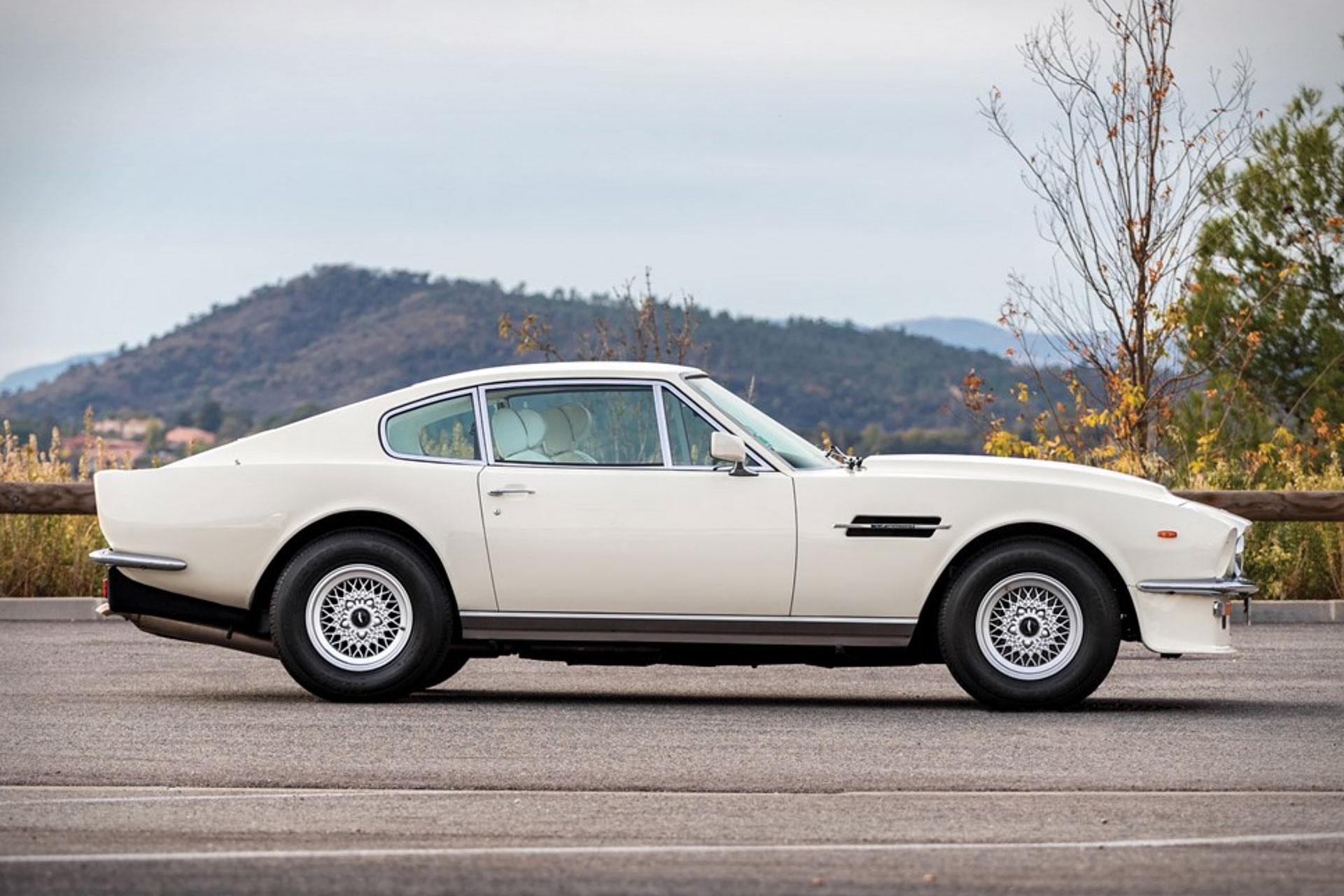
Introduction: Why Aston Martin matters
Aston Martin is a British manufacturer of luxury sports cars and grand tourers with a heritage that stretches back over a century. The firm’s origins — its predecessor founded in 1913 by Lionel Martin and Robert Bamford — anchor its position in automotive history. The marque’s blend of craftsmanship, performance and design continues to be relevant to enthusiasts, buyers and the broader luxury car market.
Main body: Heritage, models and reach
Founding and heritage
Aston Martin’s predecessor was established in 1913 by Lionel Martin and Robert Bamford. That early foundation has informed the company’s enduring identity as a maker of refined, performance-oriented vehicles. The brand’s long history contributes to its reputation for producing distinctive British sports cars and grand tourers.
Model range and engineering
Today Aston Martin presents a contemporary model range that spans from hypercars to sports cars and performance SUVs. The company emphasises engineering excellence across its line-up, aiming to combine dynamic performance with luxury appointments. This breadth of products allows Aston Martin to address both traditional grand tourer buyers and customers seeking high-performance models or more versatile sports utilities.
Global presence and customer access
As an international luxury brand, Aston Martin maintains a network of local dealers and official outlets to serve customers worldwide. Prospective buyers can locate dealers, explore the marque’s heritage and discover the current model range through Aston Martin’s official channels. This dealer network plays a central role in delivering the brand experience and aftersales support.
Conclusion: Significance and outlook
Aston Martin remains a notable British name in the luxury automotive sector due to its century-long heritage, diverse model range and emphasis on engineering excellence. For readers and potential buyers, the marque represents a blend of historic identity and modern performance, from hypercars to SUVs. Its continued relevance will depend on how effectively the company balances that legacy with the evolving expectations of luxury car customers and global markets.