

The Significance of Flight Radar in Modern Aviation
Introduction to Flight Radar Technology
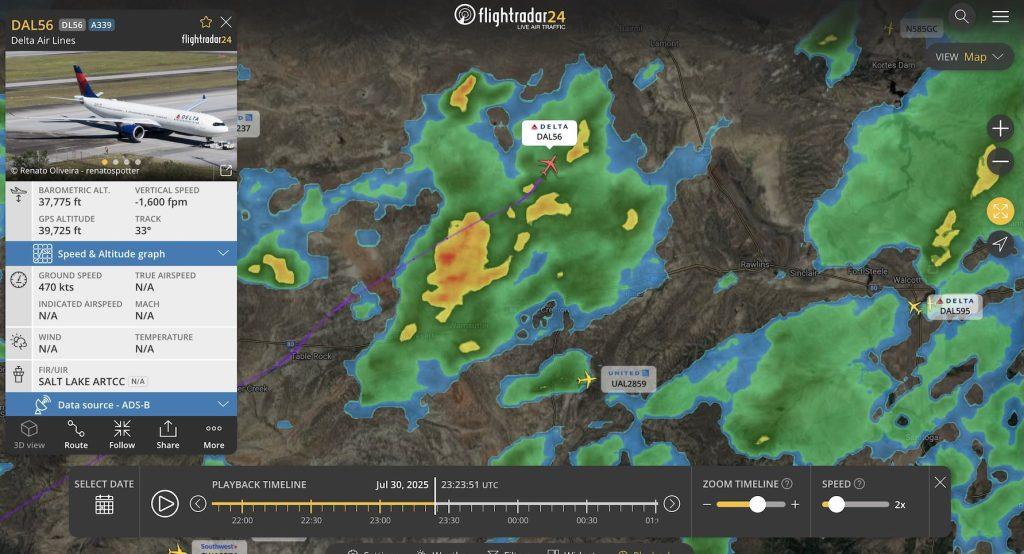
Flight radar technology plays a crucial role in the aviation industry, providing real-time tracking of aircraft during their journeys. With the increase in global air traffic, the ability to monitor flights has become indispensable for enhancing safety and operational efficiency. Flight radar systems allow air traffic controllers, airlines, and the public to keep track of flight statuses, helping to prevent collisions and ensuring timely arrivals and departures.
How Flight Radar Works
Flight radar systems utilise a combination of radar technology and satellite data. Traditional radar stations send out signals that bounce off aircraft, while newer systems, like Automatic Dependent Surveillance–Broadcast (ADS-B), enable aircraft to transmit their position, speed, and altitude via satellite. This data can be accessed by various users, including air traffic control, airlines, and even mobile applications available to the general public.
Recent Developments in Flight Radar Technology
Throughout 2023, significant advancements have been made in flight radar technology. For example, companies have implemented machine learning algorithms to predict flight delays based on historical data and real-time factors such as weather conditions. Furthermore, the integration of 5G technology into aviation communications promises faster data transmission, improving the overall reliability of flight tracking services. Popular applications like FlightAware and Flightradar24 continue to expand their features, offering live data and interactive maps that enhance user experience.
The Importance of Flight Radar
Flight radar systems contribute immensely to the safe and efficient operation of air traffic. They reduce the risk of mid-air collisions and help in managing airport congestion. The Passenger Experience Enhancement (PAX) reports that passengers equipped with flight radar applications enjoy added comfort knowing they can monitor changes in their flight status. Additionally, in times of crises, such as the COVID-19 pandemic, flight radar has assisted governments in tracking aircraft movements for monitoring travel restrictions and public health concerns.
Conclusion and Future Outlook
As air travel continues to evolve, so too will flight radar technology. It is crucial for all stakeholders within aviation—including airlines, regulators, and passengers—to embrace these advancements. The ongoing investment in technology is likely to yield even more innovations that further improve flight safety, environmental awareness, and overall travel efficiency. Flight radar is not just a tool for tracking planes; it is a vital component that supports the future of global aviation.