

Understanding Nobel Peace Prize Winners
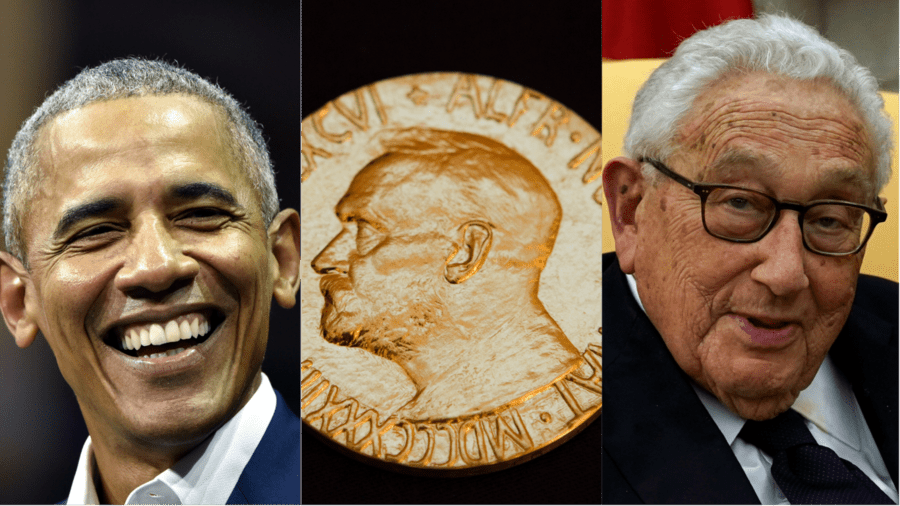
Introduction: Why Nobel Peace Prize Winners Matter
The Nobel Peace Prize is among the world’s most recognised honours for contributions to peace, reconciliation and human rights. Nobel Peace Prize winners draw international attention to pressing conflicts, humanitarian crises and movements for justice. Understanding who receives the prize and why helps readers grasp shifting global priorities and the practical influence of recognition on peacebuilding work.
Main body: Selection, Types of Winners and Impact
Origins and Selection Process
The prize was established in the will of Alfred Nobel and is awarded annually by the Norwegian Nobel Committee. Candidates may be individuals or organisations nominated by qualified proposers, including academics, former laureates and political figures. The Committee assesses nominations against Nobel’s instructions to reward efforts that have ‘conferred the greatest benefit to mankind’ in the pursuit of peace.
Individuals and Organisations
Nobel Peace Prize winners have ranged from grassroots activists to international institutions. Laureates have been recognised for a variety of contributions, including mediation in armed conflicts, promotion of human rights and the defence of freedom of expression. Organisations have also been honoured for humanitarian work and coordination of relief efforts.
Impact and Controversy
Awarding the prize often amplifies a laureate’s voice, aids fundraising and can provide protection for activists working in dangerous contexts. At the same time, selections sometimes provoke debate when the Committee recognises controversial figures or when critics question whether a prize can directly affect complex political situations. Nonetheless, the symbolic power of Nobel recognition frequently shapes public discourse and policy attention.
Conclusion: Significance and Looking Ahead
Nobel Peace Prize winners serve as a barometer of international concern and aspiration. While a single award cannot resolve entrenched conflicts, it can highlight successful approaches, legitimise movements and inspire wider support. Readers should view laureates both as exemplars of achievement and as catalysts for further action in peacebuilding, diplomacy and human rights. As global challenges evolve, attention to the work of Nobel laureates remains a useful lens on emerging priorities and the continuing quest for sustainable peace.