

Eastern Brown Snake: New Research Reveals Hidden Venom Differences in Australia’s Deadliest Reptile
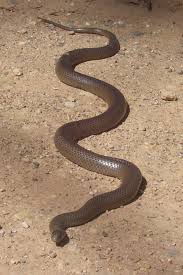
Understanding the Eastern Brown Snake
The eastern brown snake (Pseudonaja textilis) continues to capture headlines across Australia, not only for dramatic encounters with residents but also for groundbreaking scientific discoveries that could transform medical treatment. The eastern brown snake is considered the second-most venomous terrestrial snake in the world and is responsible for more deaths from snakebite in Australia than any other species, being the most commonly encountered dangerous snake in Adelaide, and is also found in Melbourne, Canberra, Sydney, and Brisbane.
Breakthrough Venom Research
Recent scientific research has uncovered a startling geographical divide in the species’ venom properties. Scientists have uncovered a startling split in the venom of Australia’s Eastern Brown Snake, where in the south, bites cause rock-solid blood clots, while in the north, they trigger flimsy clots that collapse almost instantly. This discovery, published in August 2025, has significant implications for medical treatment.
A new study from the University of Queensland suggests that the antivenom used to treat Eastern Brown Snake bites may not always provide full protection, leading researchers to review hospital records. Research demonstrates how diet steers venom evolution, because the southern populations consume more reptiles than the northern populations which eat more mammals.
Recent Dangerous Encounters
Just days ago, a dramatic incident highlighted the ongoing risks posed by these serpents. An Australian woman is lucky to be alive after an eastern brown snake – one of the most venomous snakes on the planet – became tangled in her shoe during a bushwalk near Sydney on the weekend. The snake had gone into the small loop at the back used to pull shoes on and had become completely wedged. The woman was hospitalised, demonstrating the very real dangers of encountering these reptiles in populated areas.
Habitat and Behaviour
The eastern brown snake is found in most habitats except dense forests, often in farmland and on the outskirts of urban areas, as such places are populated by its main prey, the house mouse. This adaptability brings them into frequent contact with humans, particularly during warmer months.
Eastern brown snakes are very fast-moving; Australian naturalist David Fleay reported that the snake could outpace a person running at full speed. Despite their fearsome reputation, research shows these snakes typically withdraw when encountering humans rather than attacking.
Why This Matters
The implications of the venom research are profound for medical responses across Australia. Currently, Australia’s brown-snake antivenom is produced using a pool of venom of unstated geographic origin, and if it doesn’t have both northern and southern Eastern Brown Snake venom, coverage could be patchy, and the antivenom efficacy could vary widely.
Understanding these differences and practising snake safety remains crucial for Australians living in areas where eastern brown snakes are present. Education, prompt medical attention, and respect for these important ecosystem regulators are key to reducing dangerous encounters whilst preserving biodiversity.