

Lloyds Banking Group Announces Major Branch Closures Plan for 2026
Introduction: The Changing Face of British Banking
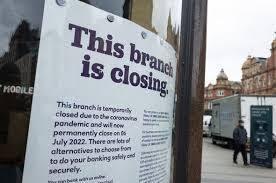
Lloyds Banking Group has unveiled significant plans to close branches throughout 2026, marking another chapter in the transformation of Britain’s high street banking landscape. The banking giant has announced 71 branches will shut their doors throughout the year, affecting customers of Lloyds Bank, Halifax, and Bank of Scotland. This closure plan reflects broader industry trends as millions of customers shift to digital banking platforms, though it raises important questions about financial accessibility for vulnerable communities.
The Scale of Closures
Lloyds Banking Group is set to close 16 of its high street branches in January 2026, with the closures scheduled for 2026 comprising 26 Lloyds branches, 10 Halifax sites, and 13 Bank of Scotland locations. The banking group will be left with 705 branches, including 359 Lloyds, 269 Halifax and 77 Bank of Scotland, after this latest round of closures. When combined with 2025 closures, the group will permanently shutter nearly 350 branches across its three brands between January 2025 and October 2026.
Reasons Behind the Closures
Lloyds Banking Group attributes these closures to changing customer behaviour. More than 21 million of its customers now prefer managing their money through the financial institution’s website or personal app. This shift is part of a wider industry trend: 6,000 bank branches in the UK were shut down between 2015 and 2024, according to consumer champion Which?
Impact on Communities and Alternatives
The closures present significant challenges for certain groups. Accessibility remains a critical problem, particularly for elderly customers, those without smartphones and small business owners who need face-to-face relationships. However, alternatives are being developed. As of September 2025, there are now 186 banking hubs up and running around the UK, whilst customers can also use Post Office branches for everyday banking services.
Conclusion: The Future of High Street Banking
Lloyds Banking Group’s closure plan represents a pivotal moment in British banking history, balancing commercial realities with customer needs. Whilst digital banking offers convenience for many, ensuring accessibility for all demographics remains crucial. As traditional branches disappear, the success of alternative solutions like banking hubs and community bankers will determine whether financial inclusion can be maintained in an increasingly digital age. Customers affected by closures should familiarise themselves with available alternatives to ensure uninterrupted access to essential banking services.