

M&S Cafes Closing: Reasons and Implications
Introduction
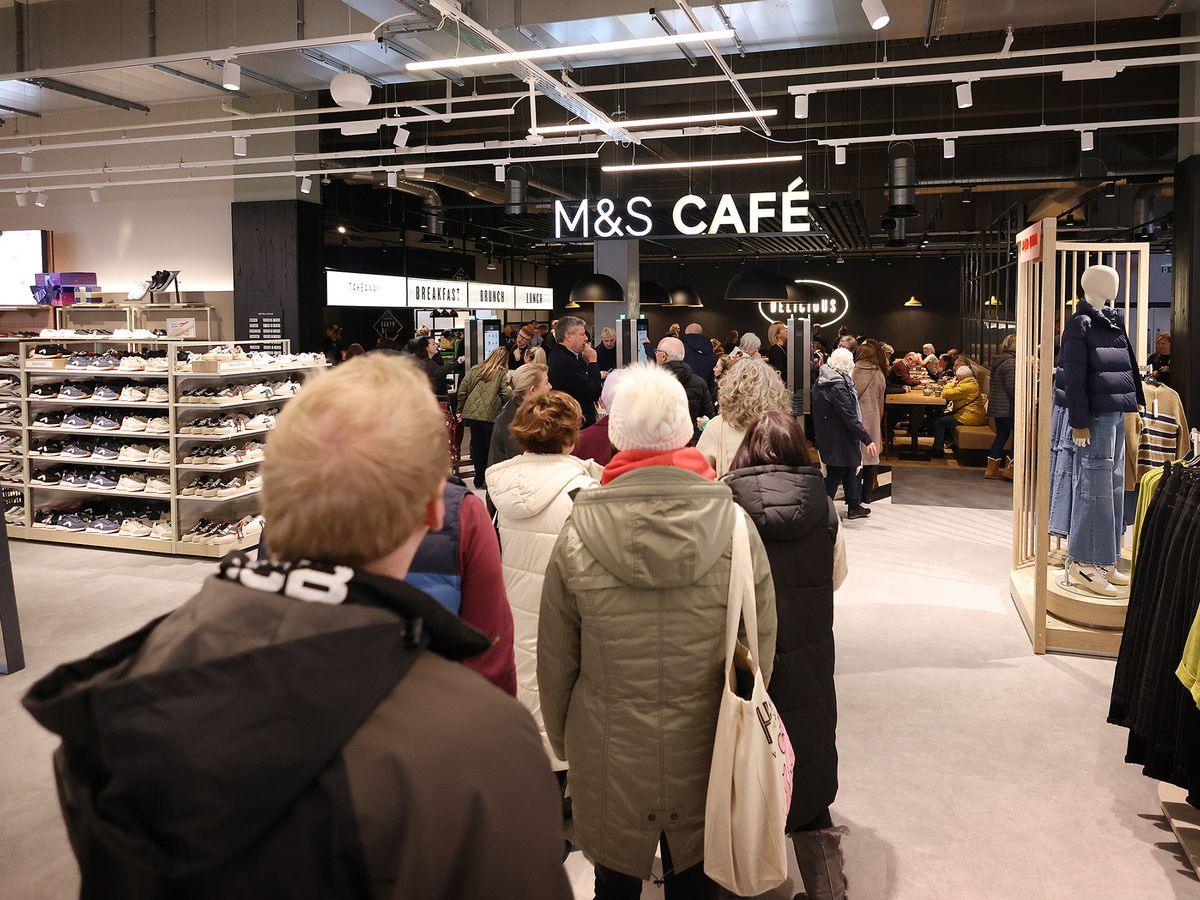
The recent announcement regarding the closure of M&S cafes across various locations has stirred significant interest among consumers and industry observers alike. M&S, renowned for its quality food and customer experience, has faced numerous challenges in recent years, making this decision particularly relevant in the context of changing consumer behaviours and market dynamics.
Details of the Closures
Marks & Spencer, the iconic British retailer, has confirmed that it will be closing several of its in-store cafes as part of a broader business restructuring plan. This move primarily affects locations where foot traffic has diminished or where the cafes have not sustained profitability. Reports indicate that around 20 of the existing cafes will cease operations by the end of the financial year, offering a clear signal of shifting strategies within the company.
According to an M&S spokesperson, the decision to close certain cafes is part of a strategy to enhance overall customer experience by reallocating resources to more profitable areas. The closures are expected to primarily impact cafes located in smaller stores or those near other dining options.
Reasons Behind the Strategy
Several factors contribute to the closure of M&S cafes. Increasing competition from popular coffee chains and changing consumer preferences towards takeaway and on-the-go dining options have influenced the declining footfall at M&S cafes. Additionally, the COVID-19 pandemic significantly altered shopping behaviours, with many customers opting for convenience and online shopping instead of in-store dining experiences.
Moreover, M&S has been focusing on enhancing its food offerings, which includes the introduction of new ready-to-eat meals and gourmet snack options. By reshaping its cafe strategy, M&S aims to create a more cohesive brand experience centred around its food quality rather than in-store cafes, which have struggled to maintain customer engagement.
Implications for Customers and the Brand
The closures may evoke disappointment among loyal M&S cafe patrons who appreciate the brand’s ambiance and quality refreshments. However, the company’s pivot indicates a necessary adaptation to modern retail demands. Customers can expect M&S to channel investments into enhancing the quality and variety of grocery offerings, aligning with current consumer preferences for convenience and quality.
Conclusion
While the closure of M&S cafes marks the end of an era for some, it also reflects the retailer’s adaptability to changing market conditions. Looking forward, this strategic move could lead to a reinvigorated focus on their core food business, ultimately strengthening the M&S brand in a highly competitive market. Readers should stay tuned for further updates on M&S’s transformations, which may redefine their shopping experience in the near future.