

People’s Postcode Lottery: Fundraising and Community Impact
Introduction: Why People’s Postcode Lottery Matters
The People’s Postcode Lottery has become a recurring topic of public interest in the UK because of its dual role as a consumer game and a fundraising mechanism for charities. As more households consider participating in community-focused lotteries, understanding how the People’s Postcode Lottery operates and why it matters for local and national causes is important for readers who follow charitable giving, consumer affairs and local community developments.
Main body: Structure, activity and reactions
How it works and who it affects
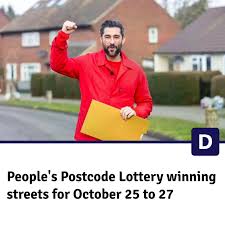
People’s Postcode Lottery assigns entries by postcode rather than by individual ticket numbers, which links prizes to geographic communities. This structure means that when a postcode wins, the prize can affect multiple households in the same area and often becomes a local story. For players, the postcode model can feel communal: neighbours may share news of wins, and local groups sometimes publicise prizes and fundraising outcomes.
Fundraising and charitable connections
One of the most-discussed aspects of the People’s Postcode Lottery is its role in raising funds for charities and community projects. Proceeds from ticket sales are directed to a range of charitable causes, and organisations often highlight grants received through the scheme. For charities and community groups, support from postcode-linked lotteries can provide flexible funding for local services, outreach work and capital projects.
Public and regulatory perspectives
Alongside positive coverage, the People’s Postcode Lottery attracts scrutiny typical of large fundraising schemes. Observers and commentators regularly discuss transparency, the proportion of income distributed to good causes, and the consumer protections that apply to lottery participants. These conversations are part of broader public debates about responsible gambling, charity accountability and how best to support voluntary-sector organisations.
Conclusion: What this means for readers
For readers, the significance of the People’s Postcode Lottery lies in its combining of everyday entertainment with charitable giving. Those considering participation should weigh personal entertainment value alongside the charitable outcomes promoted by the scheme. For charities and community leaders, postcode-based lotteries remain a potential revenue stream to supplement traditional funding. Ongoing public and regulatory attention is likely to shape how the People’s Postcode Lottery and similar initiatives operate in future, keeping issues of transparency and impact under review.