Introduction: Why pints and ponytails matter
Community fundraising is evolving, and initiatives that combine everyday social activities with charitable giving are gaining attention. “Pints and ponytails” describes a simple model that links pub nights and social gatherings with hair donation and fundraising drives for wig charities and local causes. Its relevance lies in lowering barriers to support: people can meet friends for a drink while taking part in an accessible, visible act of solidarity for those affected by hair loss.
Main body: How the concept works and its appeal
Format and partnerships
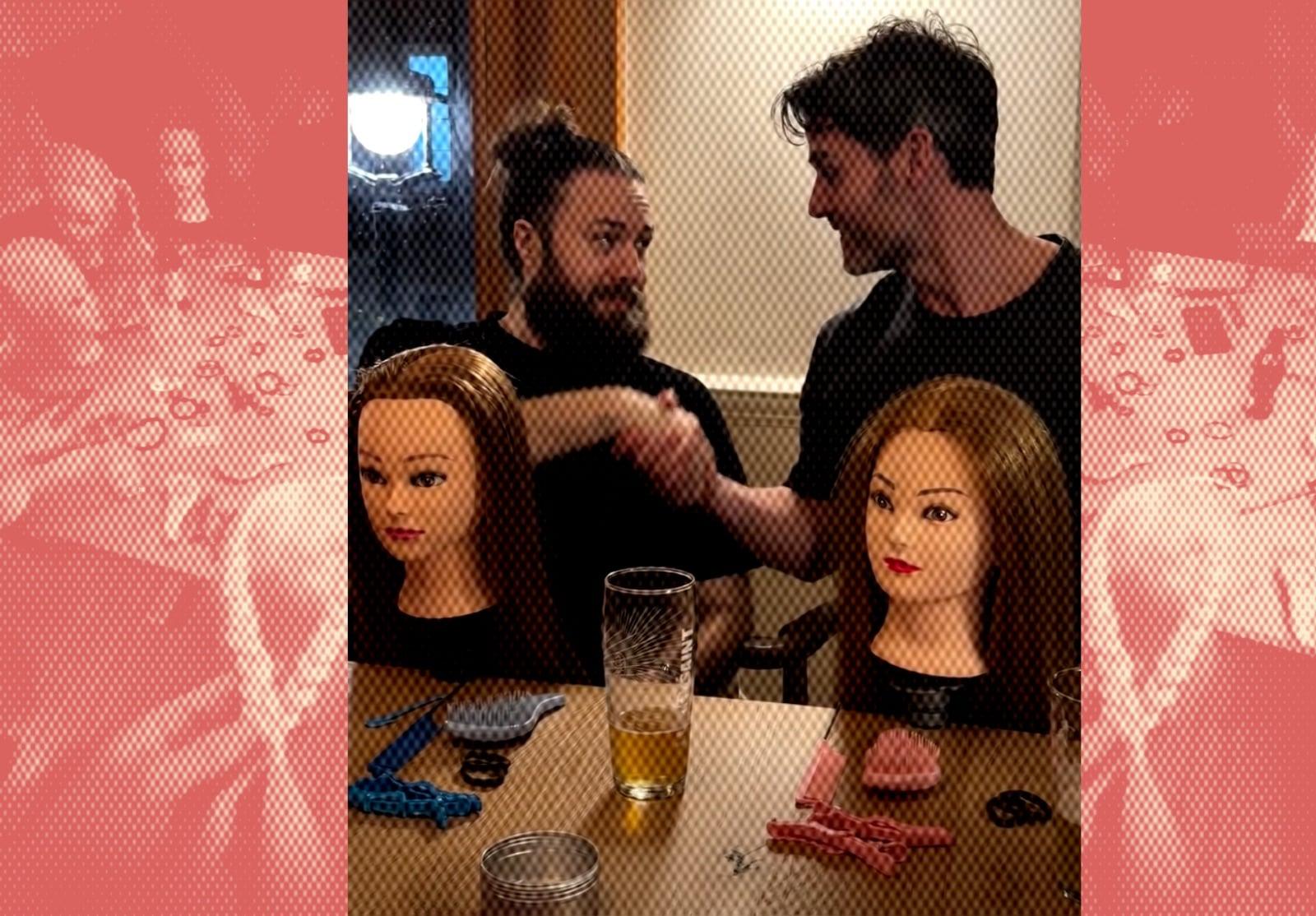
The basic format pairs participating pubs or venues with hairdressers and local charities. Patrons reserve or drop in for an event, enjoy drinks and conversation, and—if they choose—have a ponytail cut to donate. Fundraising can occur through ticket sales, suggested donations, raffles or a share of bar takings. Local hairdressers volunteer time or offer discounted cuts to make donations practical and affordable.
Benefits for charities and communities
For charities that provide wigs and support to people experiencing hair loss, the model offers both material and financial benefits: collected ponytails can be supplied to wig-makers, while event proceeds support service provision. For pubs and community venues, hosting such events can strengthen local ties, attract new customers and demonstrate social responsibility. The social setting can also reduce stigma and create a supportive atmosphere for donors and beneficiaries alike.
Practical considerations
Organisers must ensure hair donation meets charity guidelines, coordinate with professional stylists, and manage crowding and hygiene in venue spaces. Clear communication about donation requirements and where funds will be used helps build trust with participants.
Conclusion: Outlook and significance for readers
Pints and ponytails offers a low-friction, community-driven approach to fundraising and support. As grassroots organisers and venues refine logistics and promote events, the concept could broaden participation in hair donation and local charity work. For readers, it represents an opportunity to combine leisure with meaningful action—an easy way to help others while taking part in everyday social life.