

Heatwave Australia: Mid‑December 2024 temperatures and risks
Introduction: why the heatwave matters
The 2024 heatwave in Australia is significant for public safety, fire risk and long‑term planning. Beginning in mid‑December 2024, a broad swathe of the country experienced unusually high temperatures, affecting South Australia, Victoria, New South Wales, the Northern Territory, Tasmania, Queensland, Western Australia and the ACT. Understanding the scale and context of this event is essential because heatwaves cause more fatalities in Australia than any other natural hazard and place heavy strain on health, emergency and energy systems.
Main body: what happened
Extent and peak temperatures
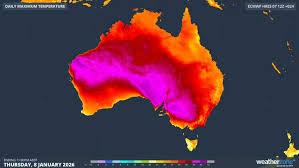
The event began in mid‑December and produced widespread highs above 40 °C (104 °F) in numerous locations. Reported peak readings include 45.1 °C (113.2 °F) on 16 December, 45 °C (113 °F) on 16 December, 45.3 °C (113.5 °F) on 16 December, 47.2 °C (117.0 °F) on 26 December, 47.1 °C (116.8 °F) on 16 December, 41.3 °C (106.3 °F) on 16 December and 40 °C (104 °F) on 16 December. These numbers reflect an intense, multi‑regional heat episode concentrated in mid‑December with additional extreme readings later in the month.
Fire danger and official warnings
Authorities flagged elevated fire risk during the event. South Australia issued extreme fire danger warnings for 15 December, and New South Wales forecast high fire danger across inland regions on 16 December. Such warnings accompany heatwaves when hot, dry and windy conditions increase the likelihood of bushfires and complicate emergency response.
Context and historical perspective
Australia’s Bureau of Meteorology defined a heatwave in 2014 as “three or more days where maximum and minimum temperatures are unusually high for a location,” recognising regional differences in thresholds. Historically, temperatures above 50 °C remain rare — Oodnadatta reached 50.7 °C on 2 January 1960 and Mardie 50.5 °C on 19 February 1998. In 2013 the Bureau added a dark purple colour to its heat scale to represent temperatures up to 54 °C. Heatwaves have caused high mortality in the past: in 2009 some 432 people died during a heatwave in Victoria and South Australia.
Conclusion: implications and outlook
Climate projections indicate these events will become more frequent and severe. The Australian Climate Service projects that at +1.5 °C global warming Australia will see about two additional severe or extreme heatwave days per year; at +2.0 °C the number of severe or extreme heatwave days is expected to more than double; and at +3.0 °C an additional 14 severe or extreme days per year are projected. For readers this means increasing importance of preparedness, heat‑health planning and adherence to fire danger warnings as part of adapting to a warmer future.