

The Growing Threat of Typhoons: Understanding Their Impact
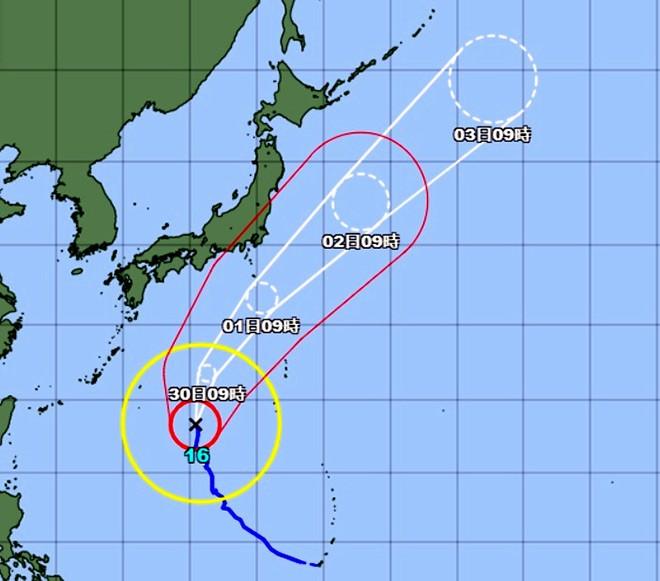
Introduction to Typhoons
Typhoons are powerful tropical storms that form in the northwest Pacific Ocean, significantly affecting coastal communities. As climate change intensifies, the frequency and severity of these storms are expected to rise, making it crucial for communities to understand and prepare for their impacts.
The Current Situation
In recent weeks, Typhoon Karding has swept through the Philippines, leaving a trail of destruction in its wake. With winds of up to 125 miles per hour, Karding has inundated rural areas, leading to widespread flooding and landslides. According to the National Disaster Risk Reduction and Management Council, the typhoon has already displaced over 50,000 people and caused damages amounting to over $20 million.
Preparedness and Response
Government agencies and NGOs have mobilised resources to assist affected populations, providing emergency supplies and shelter. Nevertheless, the sheer force of typhoons underscores the urgent need for better preparedness and infrastructure resilience. Many communities are now investing in stronger building codes and early warning systems to mitigate the destruction caused by future storms.
Long-term Implications
With climate projections indicating an increase in typhoon activity, it is vital for governments and communities to adapt to these changing circumstances. Increased investment in disaster management strategies, including community education on emergency protocols, can help reduce vulnerability. Furthermore, international cooperation on climate action is necessary to address the root causes of climate change that contribute to the intensification of these storms.
Conclusion
The rising threat of typhoons poses significant challenges for communities around the world. As seen with Typhoon Karding, the immediate impacts can lead to long-lasting social and economic repercussions. By prioritising preparedness and strengthening climate action, communities can improve their resilience against these ever-growing threats, safeguarding lives and livelihoods.