

Exploring The Last Leg: A Staple of UK Comedy
Introduction
The Last Leg, a British television comedy show that first aired in 2012, has become a cornerstone of contemporary satire and social commentary in the UK. Its unique blend of humour, wit, and candour surrounding current events not only entertains but also educates its audience. With its distinctive format and engaging hosts, The Last Leg offers a platform for discussing pressing social issues while making viewers laugh. As the show continues to attract a dedicated following, its relevance in the landscape of British television remains undeniable.
Format and Reception
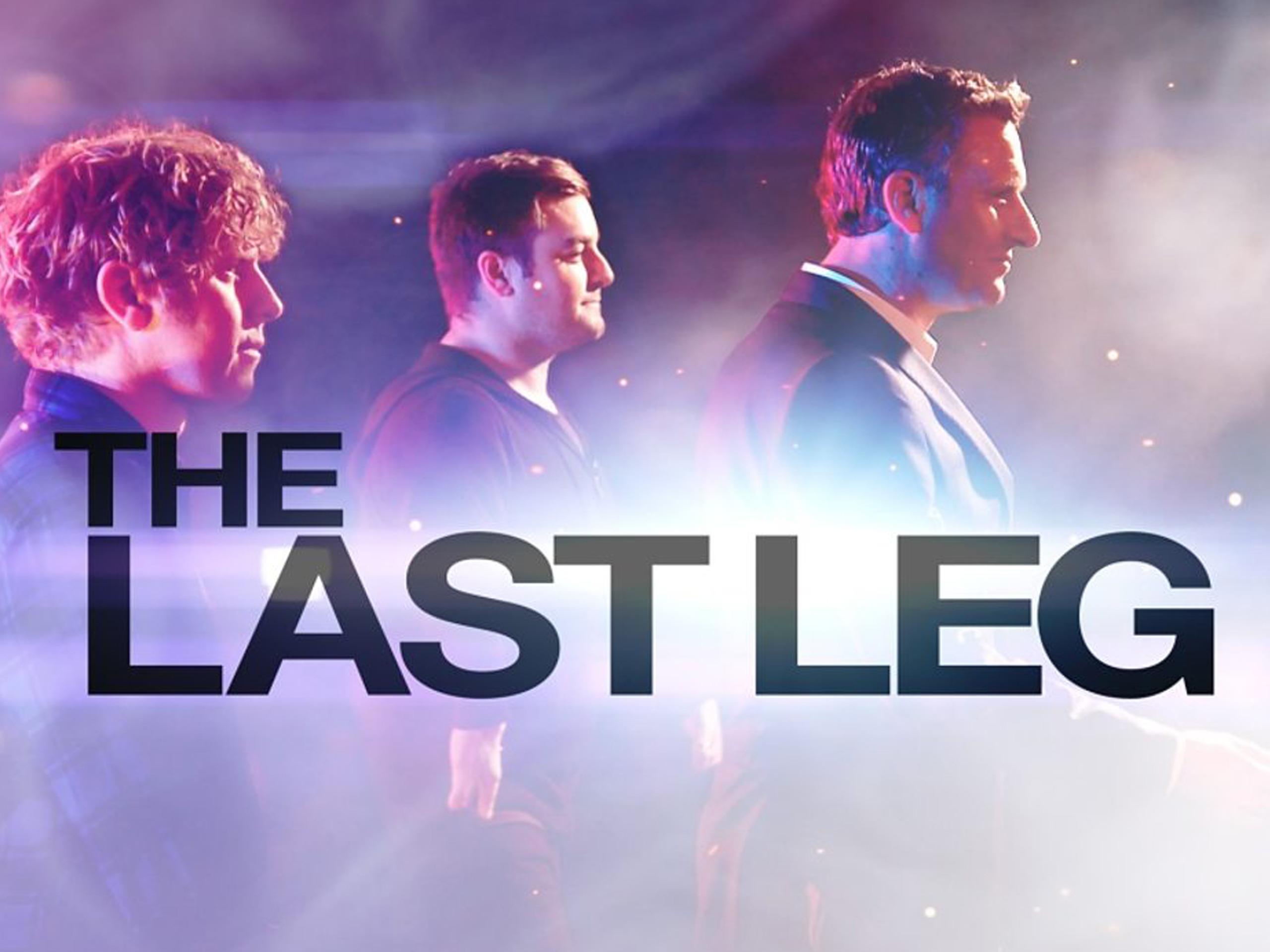
The Last Leg is known for its live format, where the presenters, Adam Hills, Josh Widdicombe, and Alex Brooker, share their comedic takes on the week’s news. The show often incorporates contributions from viewers through social media, providing an interactive experience that resonates with its audience. Its ability to tackle sensitive subjects—including disability, politics, and major world events—has been praised for creating an environment where serious discussions can occur without sacrificing humour.
Over the years, The Last Leg has garnered critical acclaim, including several nominations and awards at the BAFTA Television Awards. Its light-hearted yet poignant approach has made it a favourite especially among younger viewers who appreciate the combination of information and entertainment. The show’s fans eagerly anticipate its weekly episodes, often using hashtags to engage in conversations about the topics discussed.
Impact on Society
A significant aspect of The Last Leg’s success is its commitment to raising awareness about various social issues. For instance, the show has frequently highlighted topics related to mental health, equality, and the challenges faced by people with disabilities. This aspect has led to meaningful discussions in public spheres, helping to change perceptions and encourage inclusivity.
Throughout its run, The Last Leg has featured various high-profile guests, including politicians and celebrities, who add to the show’s dynamic conversations. The combination of these guests with the hosts’ natural chemistry creates an unpredictable yet enjoyable format, ensuring that each episode remains fresh and engaging.
Conclusion
The Last Leg exemplifies the power of comedy as a tool for commentary and critique, allowing audiences to reflect on societal issues while being entertained. As it moves into another series, the show’s ability to adapt and resonate with current events suggests that it will maintain its popularity and influence in the years to come. For fans of comedy and social commentary, The Last Leg continues to be not just a source of laughter, but a catalyst for important conversations in British society.