

Who is Ruby Wax? A Comedian and Mental Health Advocate
Introduction
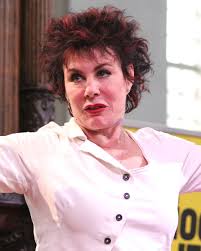
Ruby Wax is a name that resonates with many who have followed British comedy and television for decades. Known for her sharp wit and unabashed honesty, Wax has carved a unique niche not only as a comedian but also as a mental health advocate. With increasing global attention on mental health and the importance of discussing it openly, understanding her journey and contributions remains relevant and vital.
Career Highlights
Born on April 19, 1953, in Chicago, Illinois, to British parents, Ruby Wax moved to the UK in the 1970s. She began her career in acting but quickly made her mark as a comedian. Her breakthrough came with her work on the BBC sketch show “The Full Wax,” which showcased her ability to blend comedy with poignant social commentary. Wax gained widespread recognition in the 1990s for her interviews on the show “Ruby Wax Meets…” where she candidly spoke with various celebrities, breaking down barriers in comedic interviews.
Advocacy for Mental Health
In recent years, Ruby Wax’s focus has shifted toward mental health advocacy. After experiencing her struggles with depression, she became an outspoken advocate for mental well-being. In 2013, she completed a Masters in Mindfulness-Based Cognitive Therapy at Oxford University. This academic achievement not only enhanced her understanding but also informed her efforts to help others struggling with similar issues.
Wax has authored several books on mental health, including “Sane New World,” which offers insights on living with a resilient mind and understanding anxiety. Her comedic style and personal anecdotes make her discussions on mental health approachable and engaging, encouraging many to seek help and speak out about their struggles.
Recent Developments
In 2023, Ruby Wax continues to be active in both the entertainment and mental health sectors. She has made appearances in various television programmes, participated in public speaking engagements, and remains a prominent voice in advocating for mental health awareness. Her ongoing involvement in charitable initiatives and collaborations with mental health organisations highlights her commitment to fostering a society where emotional well-being is prioritised.
Conclusion
Ruby Wax’s legacy is a testament to the power of comedy and the importance of addressing mental health openly. As she continues to influence both the entertainment industry and the conversation surrounding emotional well-being, her role as a comedian and a mental health advocate remains significant. For readers, Wax’s journey serves as an inspiring reminder of the human experience’s complexities and the necessity of compassion and understanding in tackling mental health issues. As society progresses, figures like Ruby Wax shine a light on the importance of speaking freely about mental health, encouraging dialogue and ultimately leading to a more supportive community.