

Chris Packham: Championing Wildlife and Public Engagement
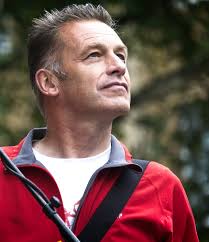
Introduction: Why Chris Packham Matters
Conservation and public understanding of the natural world are increasingly prominent issues in the UK. Chris Packham, a well-known English naturalist and television presenter, plays a significant role in bringing wildlife and environmental concerns to a broad audience. His work in broadcasting, writing and advocacy helps translate scientific and conservation issues into everyday conversations, making them more accessible to the public.
Main body: Broadcasting, Advocacy and Public Engagement
Broadcasting and communication
Packham is widely recognised for his television work, including presenting long-running nature programmes such as the BBC’s Springwatch. Through television and other media appearances he highlights seasonal changes, species behaviour and the pressures facing wildlife. His on-screen style blends field knowledge with an emphasis on observation and evidence, which has helped sustain public interest in natural history.
Conservation and campaigning
Beyond broadcasting, Packham is active in conservation discussions and public campaigns. He uses his profile to draw attention to issues such as habitat loss, species decline and the impacts of human activity on ecosystems. By engaging with conservation organisations, researchers and policymakers, he seeks to connect scientific findings with practical calls to action for better protection of wildlife and natural habitats.
Writing and personal advocacy
Packham has also written on natural history and environmental topics, contributing to public understanding through books and articles. He has been open about his personal experiences, including his diagnosis of autism, and speaks about how these inform his relationship with nature and communication style. This personal dimension has broadened his appeal and opened conversations about accessibility in outdoor and scientific communities.
Conclusion: Significance and Outlook
Chris Packham’s combination of media presence, advocacy and personal engagement keeps conservation issues in public view. For readers, his work underscores the importance of evidence-led discussion about the environment and practical steps individuals and communities can take. As pressures on wildlife continue, figures who bridge science and public communication are likely to remain influential in shaping awareness, policy conversations and grassroots action.