

Large tortoiseshell: sightings prompt renewed conservation focus
Importance and relevance
The large tortoiseshell is a striking butterfly whose presence can indicate healthy, semi-natural habitats. Interest in the species has grown among conservationists and the public because butterflies act as visible indicators of wider biodiversity and ecosystem health. Reports of sightings or potential recolonisation attract attention from surveyors, land managers and gardeners who recognise the value of supporting pollinators and native species.
Current status and recent observations
The large tortoiseshell is native to parts of Europe and Asia and is associated with riparian woodlands and areas where sallows (willows) occur. In recent years there have been occasional reports of the species at the edges of its historical range, leading to targeted surveys and renewed monitoring efforts. These observations highlight how changes in land use, climate and habitat connectivity can influence the distribution of butterfly species. Local records are being collated by naturalist networks and county recording schemes to establish whether isolated sightings represent transient visitors or the beginning of a more sustained return.
Appearance and habitat
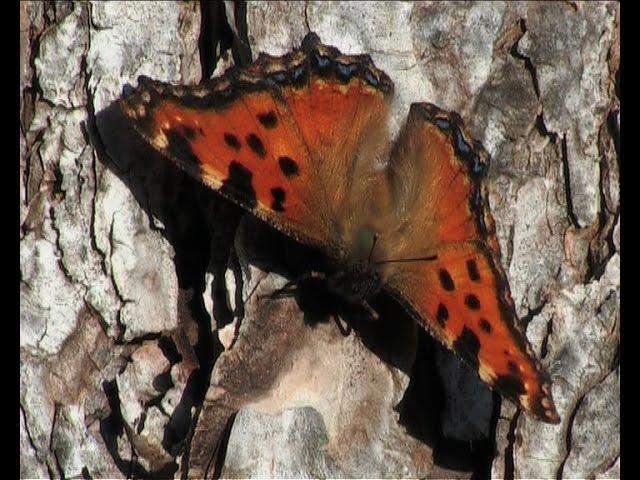
The large tortoiseshell is larger and less common than the familiar small tortoiseshell. It favours wooded river corridors, hedgerows and gardens close to willow species that serve as larval foodplants. Adults feed on a variety of nectar sources and are often seen basking on sunny days, making them a conspicuous component of summer insect life where they occur.
Threats and conservation measures
Main pressures on the large tortoiseshell mirror those affecting many butterflies: habitat loss and fragmentation, decline of larval hostplants, and changes to woodland management. Conservation measures under consideration and in practice include managing riparian woods for structural diversity, retaining and planting sallows, creating nectar-rich margins and connecting habitat patches to aid movement. Volunteer recorders, landowners and conservation groups play complementary roles in monitoring populations and implementing local habitat actions.
Conclusion and outlook
While occasional sightings of the large tortoiseshell are encouraging, experts caution that sustained recovery requires continued monitoring and habitat management. For readers, small actions such as planting native willows and allowing garden features to provide nectar resources can contribute locally. Continued recording of observations will be essential to understand trends and guide conservation work as partners assess the species’ prospects in changing landscapes.